Trip code: H09JS



Camino & Pilgrimages

Distance 81km/50mi

Level: 3
Stretching

283.0Kg CO2e

Printed route
directions
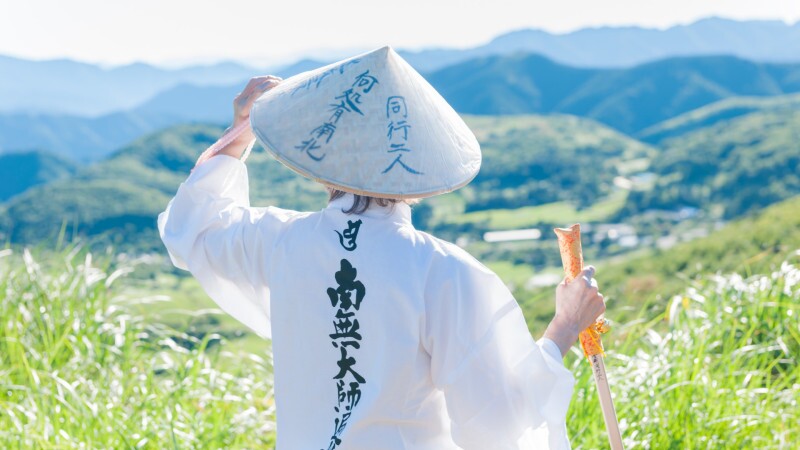
Shikoku, the smallest of Japan's four main islands, was only connected to Honshu in 1988. For centuries before that, pilgrims crossed by boat to complete the Shikoku 88 Temple Pilgrimage, a sacred route founded over 1, 200 years ago by the revered monk Kukai.
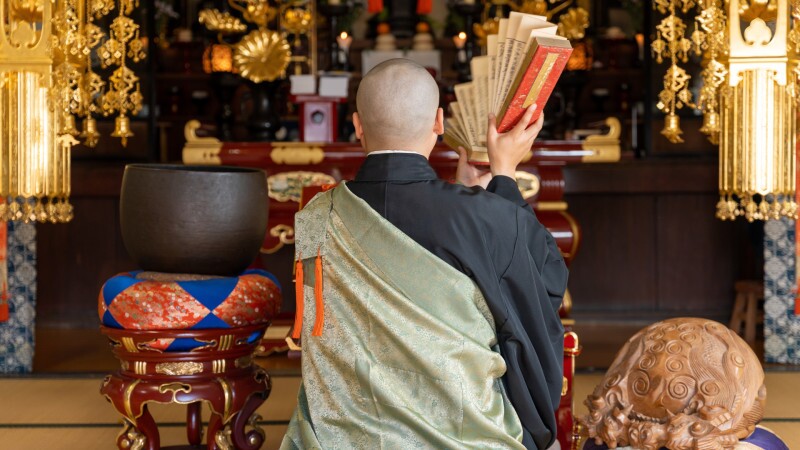
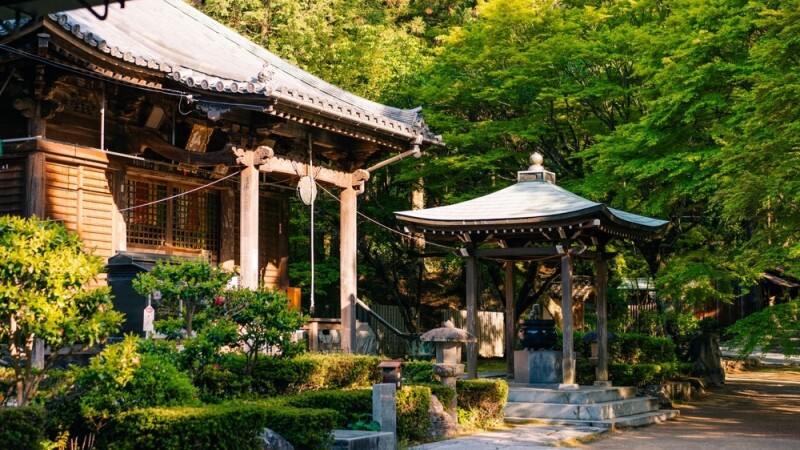
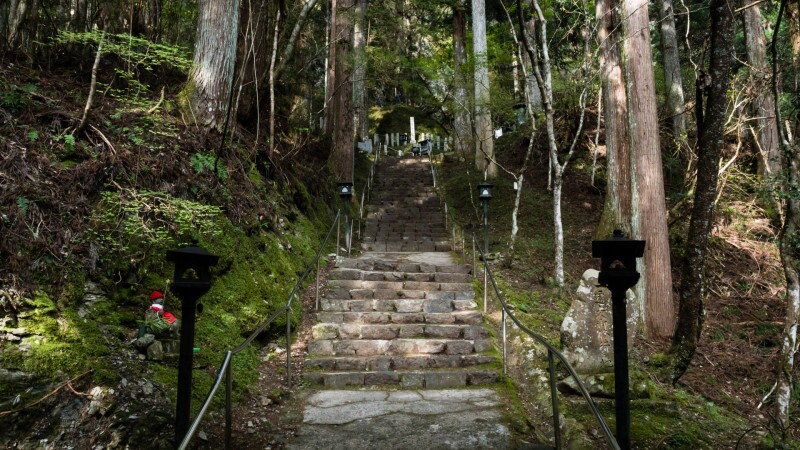
Journey through misty forests and tranquil mountain paths, where ancient temples reveal Japan's spiritual heart. Experience shojin ryori (Buddhist vegetarian cuisine) during a temple stay, and join the monks in prayer.
This curated 10 day adventure showcases the pilgrimage's most memorable sites. Explore the dramatic Iya Valley, where vine bridges sway above rushing rivers; unwind at Dogo Onsen, Japan's oldest hot spring and visit Kotohira, home to the hilltop Konpira Shrine and its historic kabuki theatre.
TERRAIN
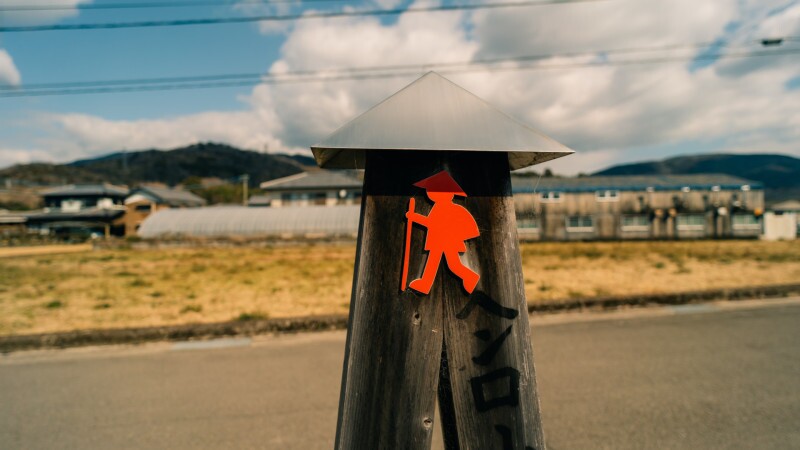
This 10-day walking route across the sacred Shikoku 88 Temple Pilgrimage path traverses a mixture of paved town roads, rural lanes and unpaved forest trails. Expect periods of moderate to steep ascent and descent when crossing mountainous interior terrain, interspersed with gentler stretches through countryside and village settings. On several days you'll climb forested hills, then descend into valleys or coastal plains, making this a varied but manageable terrain suitable for walkers with some experience.

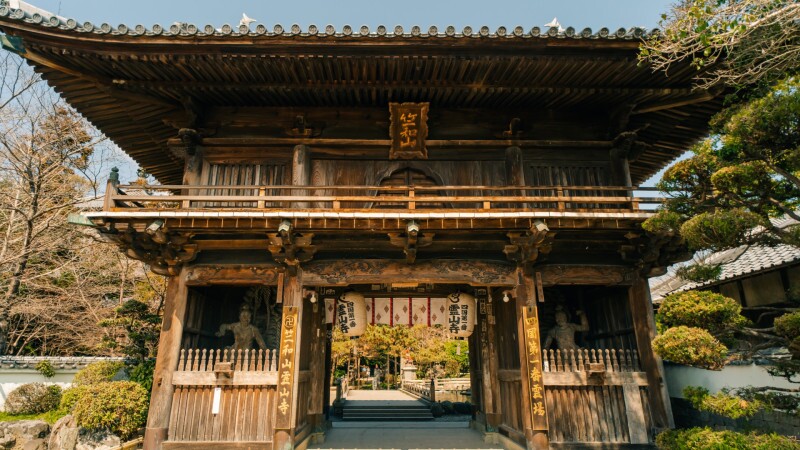
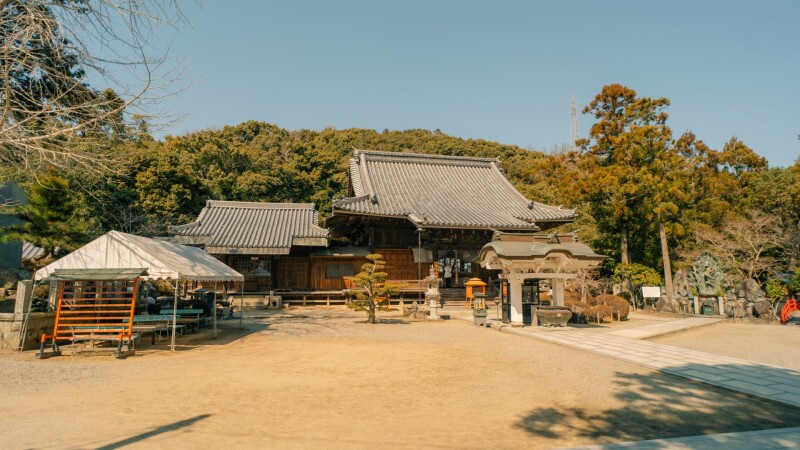
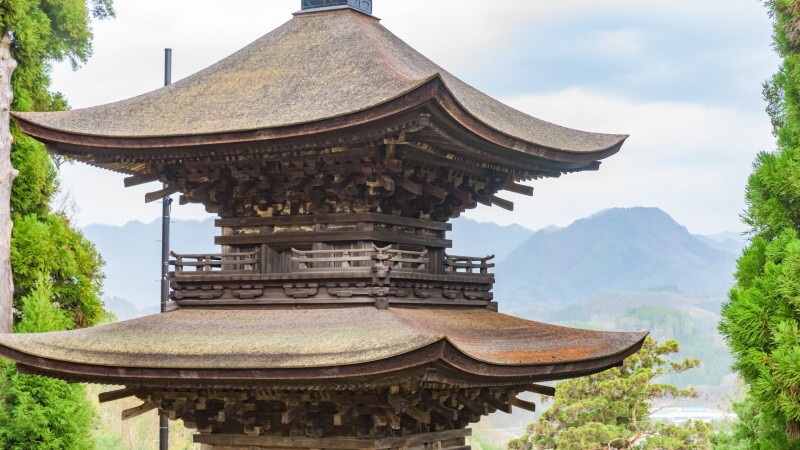
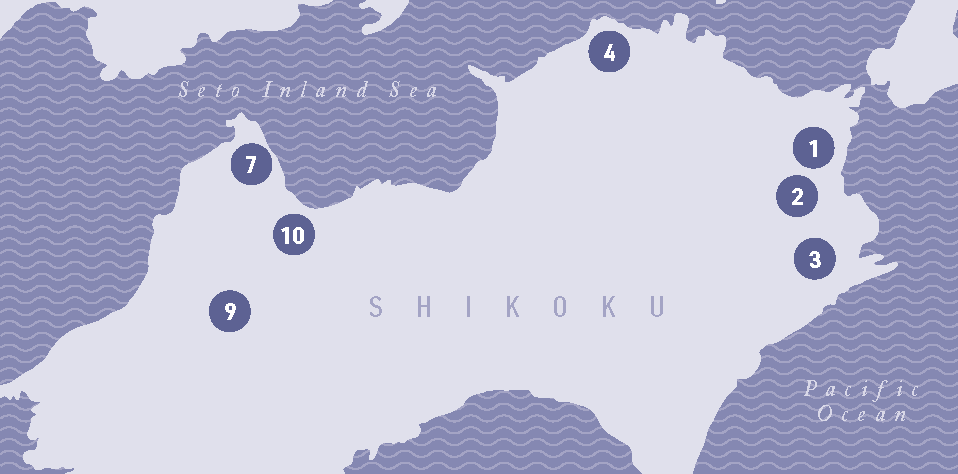
Travel from Kyoto or Osaka to Tokushima Prefecture by long-distance bus, where your Shikoku pilgrimage begins. Ease into the journey with a visit to three of the trail's most striking temples: Ryozen-ji (Temple 1), Gokuraku-ji (Temple 2), and Konsen-ji (Temple 3), each steeped in centuries of spiritual tradition. There is an optional walk to reach Juraku-ji(Temple 7), extending your day walk of 3km. End your first day as pilgrims have for generations, with an authentic temple stay (shukubo), experiencing the tranquillity and hospitality of monastic life.
Please consider adding a night in either Kyoto or Osaka before your Pilgrimage starts, to allow us to deliver your documentation to you and to be ready for your travel.
YOUR ACCOMMODATION
To reflect the spirit of travelling through Japan, we use a mix of modern hotels, traditional inns and temple lodgings. Hotels offer Western-style comfort, though rooms are often smaller than in Europe, with private bathrooms, air-conditioning, a television and a fridge.
Traditional stays in ryokan and minshuku provide an authentic Japanese experience, with tatami-mat rooms and futon bedding prepared each evening. Ryokan are generally more formal and may include exquisitely presented multi-course meals and communal hot-spring baths. Minshuku are usually family-run and simpler, with shared bathrooms in many older buildings, but offer the same warm welcome and excellent home-cooked food.
At traditional inns, shared bathroom facilities may be part of the experience. Meals are mainly Japanese; while some vegetarian options can be arranged, strict vegetarian, vegan or gluten-free diets are difficult to accommodate due to the use of dashi, soy sauce and miso. Tipping is not expected.
Full accommodation details will be confirmed nearer to your departure, and we will always advise in advance if shared facilities are required.
Continue your Shikoku Pilgrimage southwards with a short taxi ride from your temple lodging to Fujii-dera (Temple 11). From here, follow a challenging but rewarding hike to Shosan-ji (Temple 12), one of the longest and most scenic walks of the journey. Those wishing to avoid the steep initial ascent to Mount Shosan-ji can take a local taxi. After the hike, walk to Yorii and take a bus to the onsen village of Kamiyama, where you will spend the night relaxing in the hot springs.
After a short taxi ride, begin one of the most scenic sections of the Shikoku Pilgrimage. Hike from Kakurin-ji (Temple 20) down to the village of Anan, cross the Naka River, then ascend to Tairyu-ji (Temple 21). End the day with a cable car ride offering panoramic views over cedar forests and the town below, before taking a bus to your accommodation for the night.
Depart Tokushima and travel by bus, payable locally, then taxi to begin a rewarding hike in northern Kagawa Prefecture. Walk through beautiful countryside and visit three notable temples: Negoro-ji (Temple 82), Shiromine-ji (Temple 81) and Kokubun-ji (Temple 80), each offering a glimpse into Shikoku's spiritual heritage. Continue by train to the historic hot spring town of Kotohira Onsen for an overnight stay.
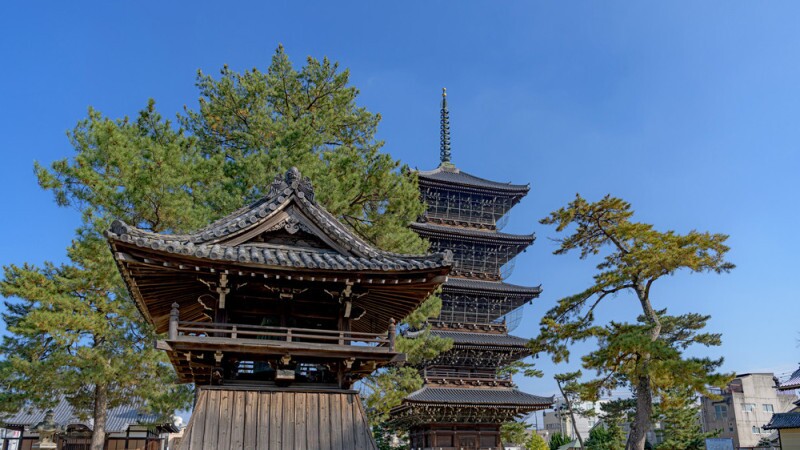
Spend a full day exploring Kotohira Onsen. Visit Konpira-dai-gongen Shrine, perched halfway up Mount Zozu at 521 metres and sample the town's famous handmade thick udon noodles. You may also explore the historic Konpira Grand Theatre (Kanamaruza Kabuki Hall), Japan's oldest original kabuki theatre, and visit Zentsu-ji (Temple 75), the birthplace of Kobo Daishi, founder of Shingon Buddhism. You will stay overnight in Kotohira Onsen.
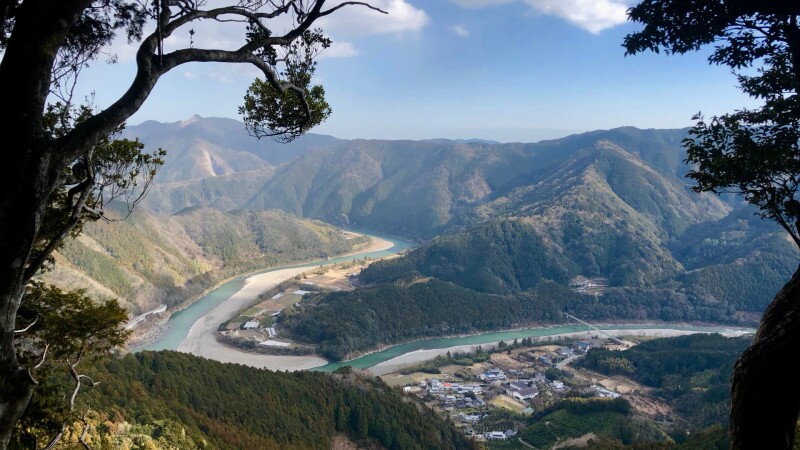
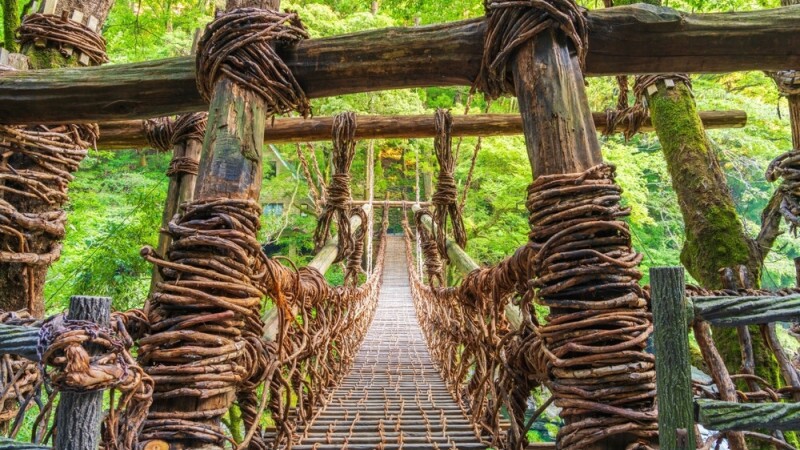
Travel from Kotohira Onsen by train and bus to the remote Iya Valley, nestled deep in the mountains of Tokushima. Along the way, visit the iconic kazurabashi suspension bridge, a vine bridge steeped in legend and said to have been placed by Kobo Daishi himself. Spend the evening relaxing at a charming hot spring inn in the valley.
After a scenic train journey to Imabari in northern Ehime, your temple hike begins at Eifuku-ji (Temple 57) on the Shikoku Pilgrimage. Leaving behind the urban landscape, you'll wander through rural farming communities before entering the tranquil forest. From here, a gentle climb leads you to Senyu-ji (Temple 58), surrounded by serene mountain scenery. If you have time and energy, you can also choose an optional detour to Taisan-ji (Temple 56), adding an extra layer of adventure and spiritual depth to your day's journey.
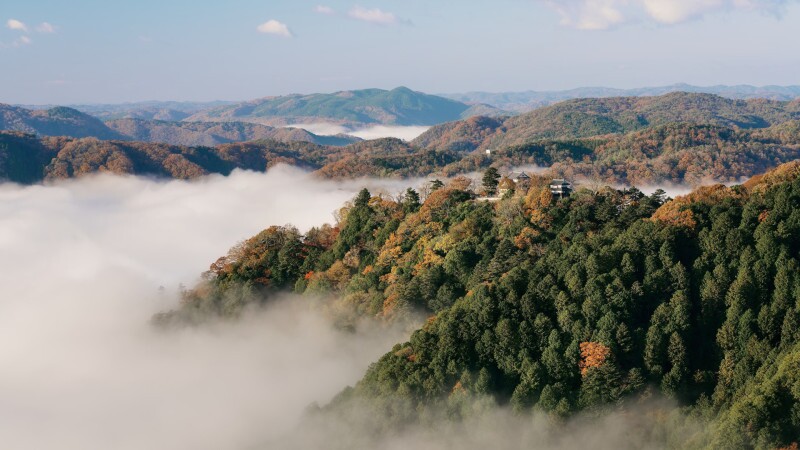
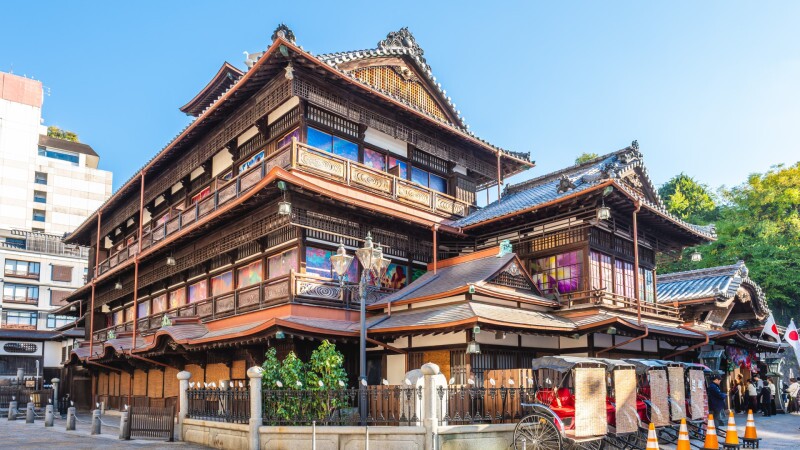
Today's hike begins with a gentle descent from Senyu-ji Temple, winding through mountain paths and passing small countryside villages. You will make your way back to Imabari, with the option to continue along a scenic paved trail to Iyo Kokubun-ji (Temple 59). From there, the journey continues towards Matsuyama, where your overnight stay awaits in the historic hot spring town of Dogo Onsen. Take time to relax in the famous Dogo Onsen bathhouse, one of Japan's oldest, and sample the region's celebrated mikan oranges. You can also explore the picturesque hillside grounds of Matsuyama Castle or visit Ishite-ji (Temple 51), a site steeped in legend and the location of your overnight accommodation.
Travel south from Matsuyama by bus and taxi to Iwaya-ji (Temple 45), a sacred site deeply connected to Shingon Buddhism and its founder, Kobo Daishi. Climb the temple's famous ladder to Kobo Daishi's meditation spot, where you will be rewarded with breathtaking views of the surrounding mountains and valleys. From Iwaya-ji, follow the forest trail to Daiho-ji (Temple 44), another important stop on the Shikoku Pilgrimage. In the evening, return by bus to Matsuyama for your overnight stay in the relaxing hot spring town of Dogo Onsen.
Your journey concludes with a memorable hike in eastern Ehime Prefecture, exploring some of the more remote and rural landscapes of Shikoku. Travel by bus and taxi to the trailhead, then follow the route to Yokomine-ji (Temple 60), Koon-ji (Temple 61), and onwards to Hoju-ji (Temple 62), each offering a unique glimpse into the island's spiritual heritage. After your hike, continue your travels towards Osaka or Kyoto, arriving by mid-evening. To make the most of your experience, consider adding an extra night in either city to further explore their vibrant culture, historic sites, and local cuisine at a more relaxed pace.
These tour prices are per person, based on two people sharing.
Single supplement from AU$1579.
From Kyoto or Osaka to Tokushima
Return from Tokushima to Osaka
Call now to speak to our specialist team at 0044 1606 720199 or email us at sales@headwater.com for enquiries or to book your trip.
Camino & Pilgrimages
Distance 81km/50mi
Level: 3
Stretching
283.0Kg CO2e
Printed route
directions

