

Camino & Pilgrimages

Up to 24 nights
hotel-to-hotel

Level: 2 & 2+

Printed route
directions
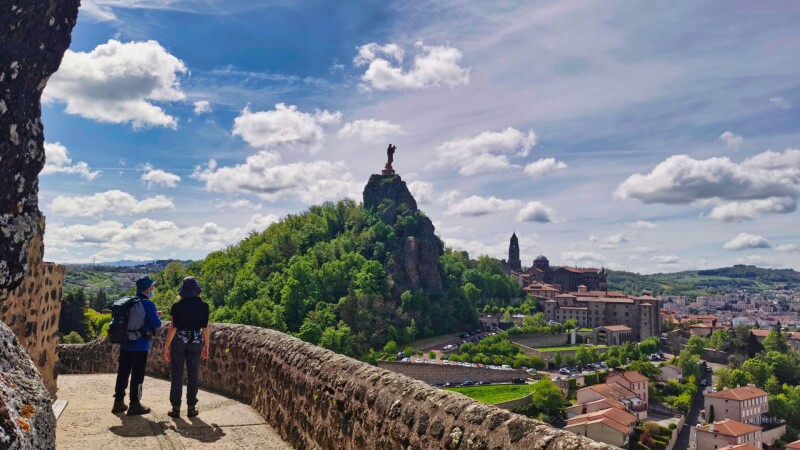
The Le Puy Camino is one of the most historic and traditional starting points for the French routes that eventually join the Camino de Santiago.
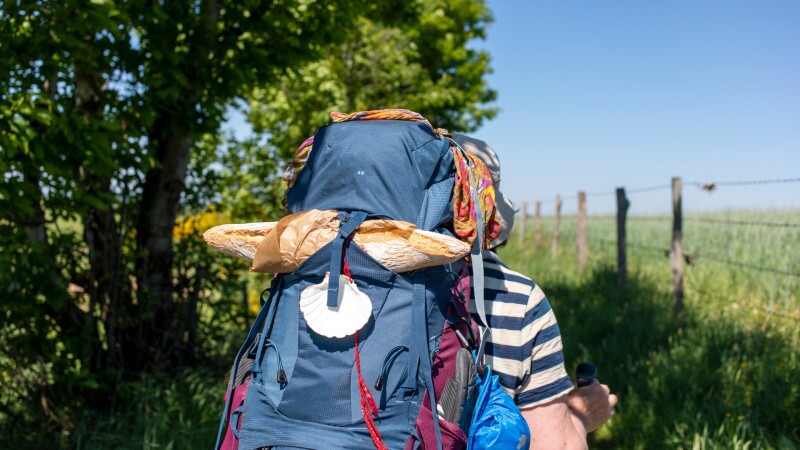
Frequently described as one of the main route of the pilgrimage in France, it offers a wilder, more genuine experience than many alternative routes, a path that feels both spiritually rich and refreshingly untouched by heavy tourism.
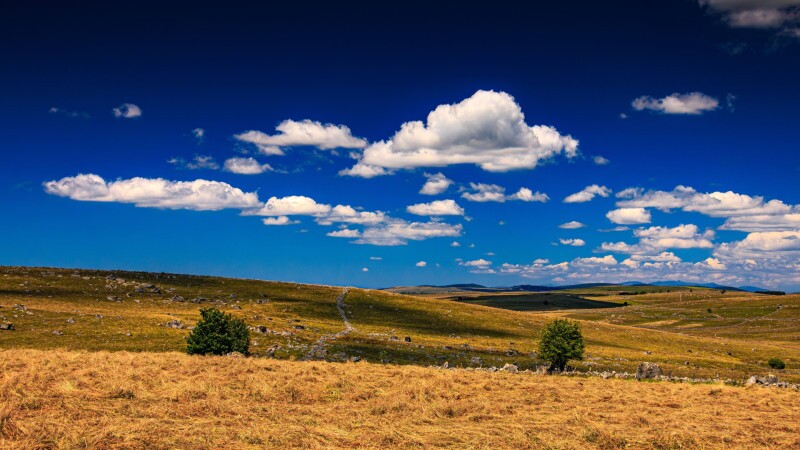
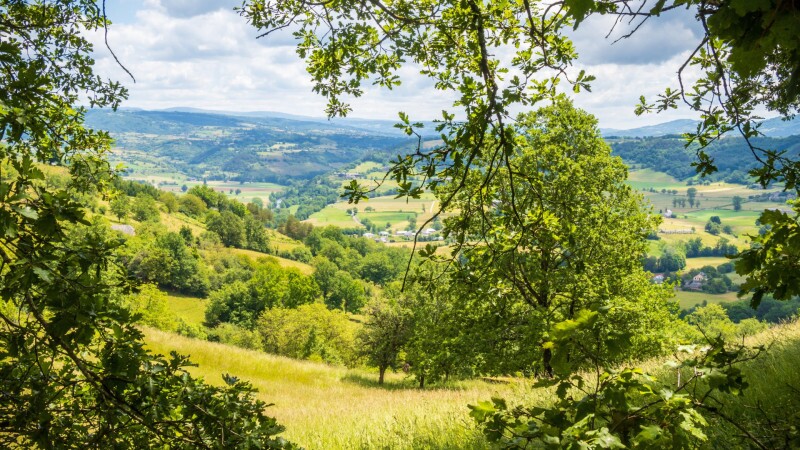
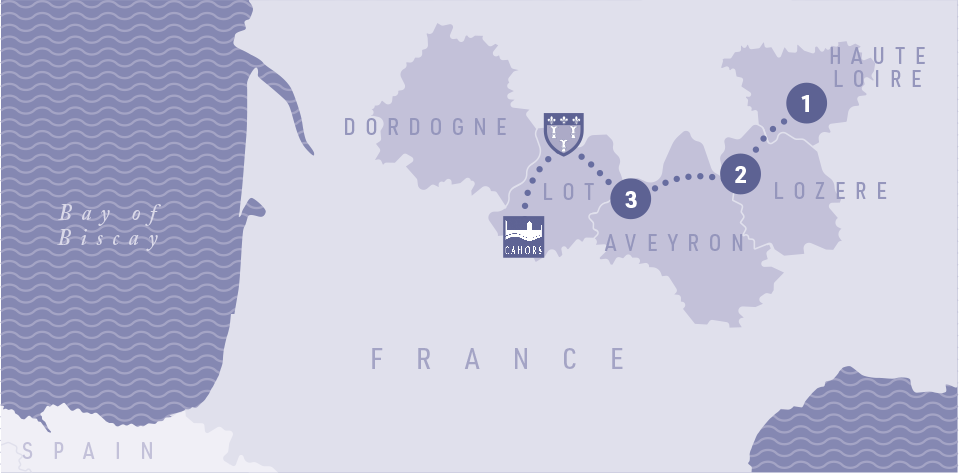
Stretching almost 750 kilometers from the dramatic volcanic city of Le Puy-en-Velay to the gateway of Spain, the route cuts directly through the Massif Central. Along the way, it leads pilgrims across incredible and dramatic terrain, from the volcanic formations of the Velay, climbing through the windswept highlands of the Margeride, and later crossing the stark, open expanses of the Aubrac plateau. The trail then descends into the beautiful valleys of the Lot and continues over the dry limestone plateaus of the Causses du Quercy before easing into the softer farmland of Gascony.
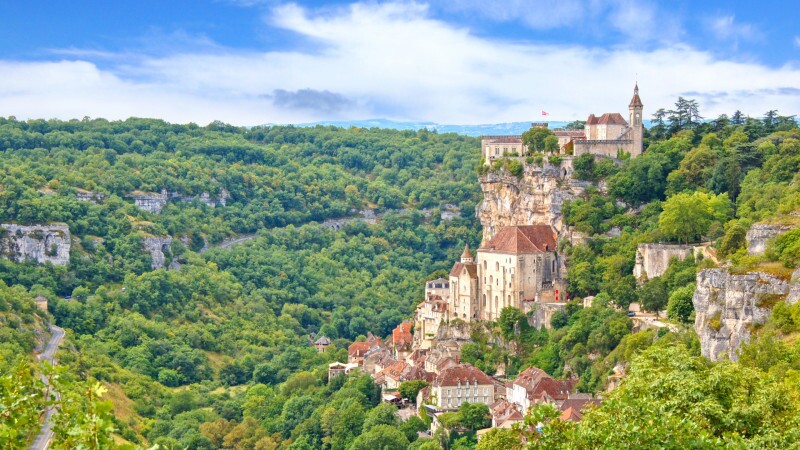
This route is famous for its outstanding cultural, spiritual and architectural treasures, offering memorable highlights throughout the journey. Pilgrims encounter remarkable sites such as UNESCO listed Abbey Church of Sainte-Foy in Conques, the dramatic clifftop sanctuary of Rocamadour, and the fortified Pont Valentre in Cahors.
Overall, the Le Puy Camino provides a deep connection with French history, medieval culture, and regional cuisine, shaping a uniquely meaningful pilgrimage long before reaching Spain.
TERRAIN
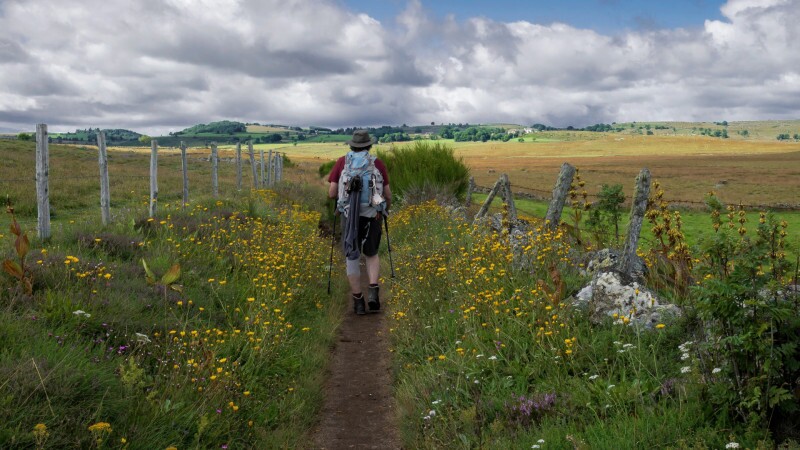
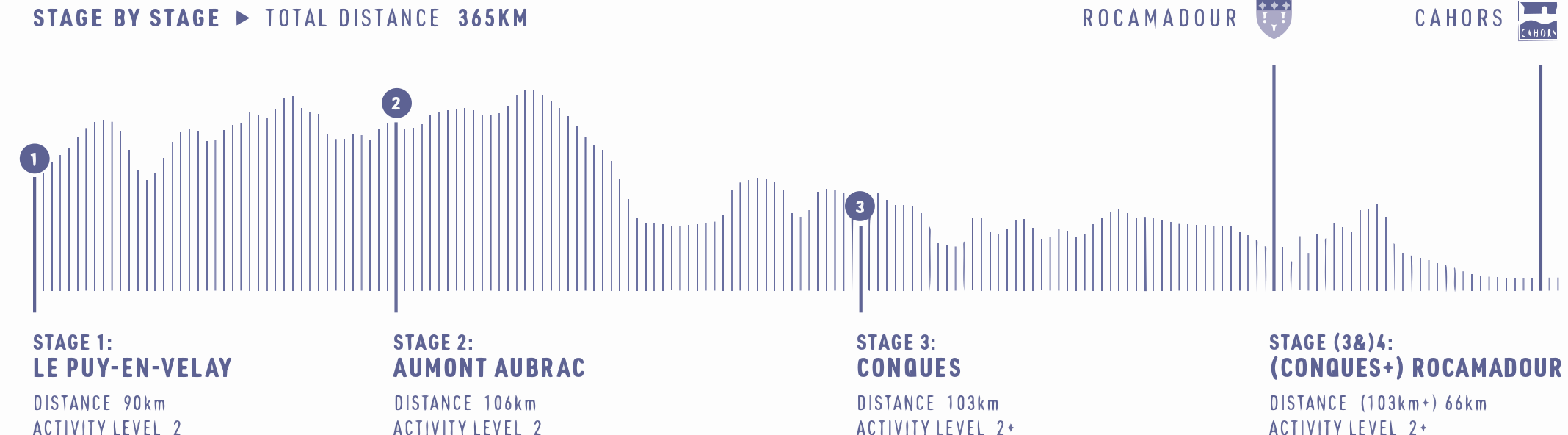
The Le Puy route offers a landscape that changes often and can have a physically demanding terrain profile. You will be met with steep ascents and descents during the slopes of Velay, the rugged Margeride mountains and the windswept Aubrac plateau. Underfoot, pilgrims follow a mixture of rocky tracks, dirt and gravel paths, farm roads and only a small amount on asphalt, providing a traditional feel of the route from start to finish.
YOUR ACCOMMODATION
To reflect the spirit of the Pilgrimage, we carefully select welcoming, simple accommodation along the route. We offer stays in hotels and guest houses. While these stays may not offer the same level of luxury as our classic Headwater holidays, they provide genuine hospitality and a warm, friendly atmosphere.
You will enjoy private rooms and private bathrooms wherever possible, ensuring a restful night after a full day of walking. On the rare occasions when this cannot be arranged, we will let you know in advance.
Most of the properties we work with are small and family-run, and availability varies depending on how early you book. Full details of your stays will be provided closer to your departure date.
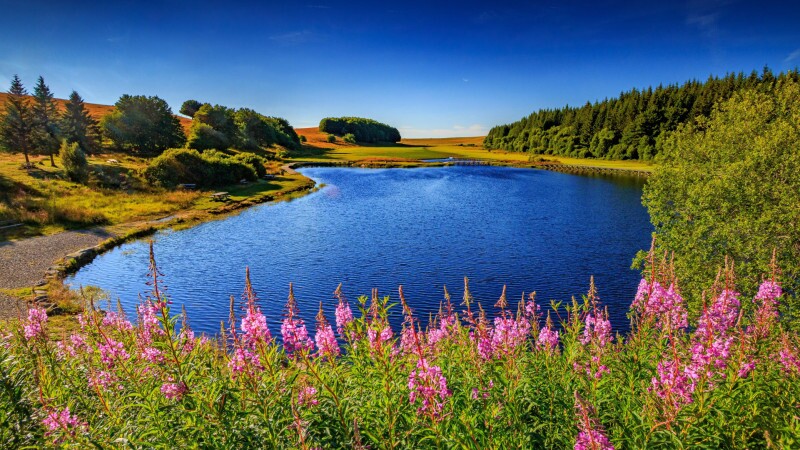
Leaving behind the magnificent architecture and volcanic landmarks of Le Puy-en-Velay, the trail takes you into the green landscapes of the Velay region. The first ascent provides spectacular views leading you through mountainous terrain and crossing the river gorges near Saint-Privat-d'Allier. The route then leads you to the rugged Margeride mountains, where thick pine woods and moorlands dominate the surroundings.
You pass through several ancient villages like Saugues, giving you a strong sense of the path's long history and isolation. Approaching Aumont-Aubrac, the scenery transitions dramatically as you arrive at the basalt plateau of the Aubrac marking the end of your journey.
View the full itinerary here
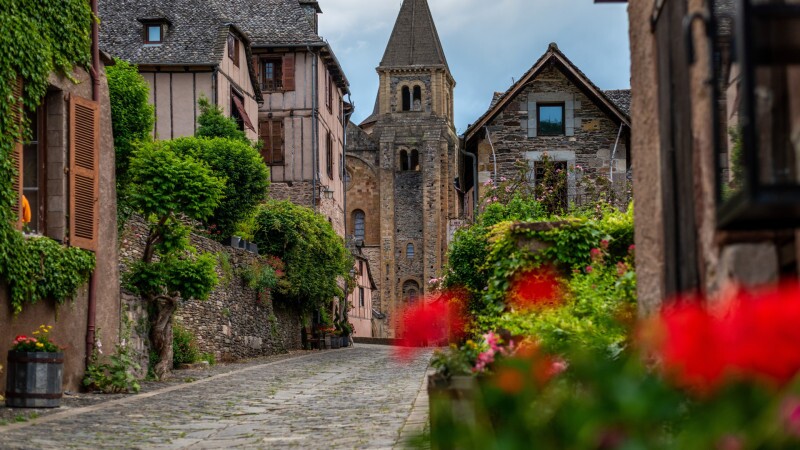
Departing from the high altitude village of Aumont-Aubrac, the path carries you onto the broad, windswept reaches of the Aubrac plateau. This is the highest and most remote stretch of the Le Puy route, where the path crosses ancient volcanic meadows marked by burons, old stone shelters once used by shepherds, and long lines of dry stone walls. After you make your way past the historic pilgrim refuge of Aubrac, the landscape begins a long and satisfying descent. The terrain quickly changes as you enter the fertile Lot Valley, where vegetation thickens and the climate softens and the trail follows the river through some of France's most quaint villages. Among them are Saint-Come-d'Olt, known for its magnificent twisted church spire. The final descent leads you to Conques, nestled in a deep gorge, where the stunning UNESCO listed Sainte-Foy Abbey Church is located, an unforgettable masterpiece of Romanesque architecture and pilgrimage history.
View the full itinerary here
As you leave Conques you will begin with a sharp climb out of the Dourdou gorge, giving you a final, memorable glimpse of the Romaneque abbey nestled below. The trail quickly rises onto the dry, stony expanse of the Causses du Qeurcy, a landscaped marked by oak woods and low stone walls that cut across the open ground. You will pass through the medieval town of Figeac and join the Rocamadour variant, carrying you deeper into the Causse, where ancient shepherd shelters, known as caselles are dotted around you. A major highlight of this route is the dramatic descent into the Alzou canyon, leading you to Rocamadour, a village remarkably built against a vertical cliff face. The route concludes with a final crossing of the plateau before dropping into the Lot valley, ending in the historic city of Cahors, home to the famous UNESCO listed Pont Valentre.
View the full itinerary here
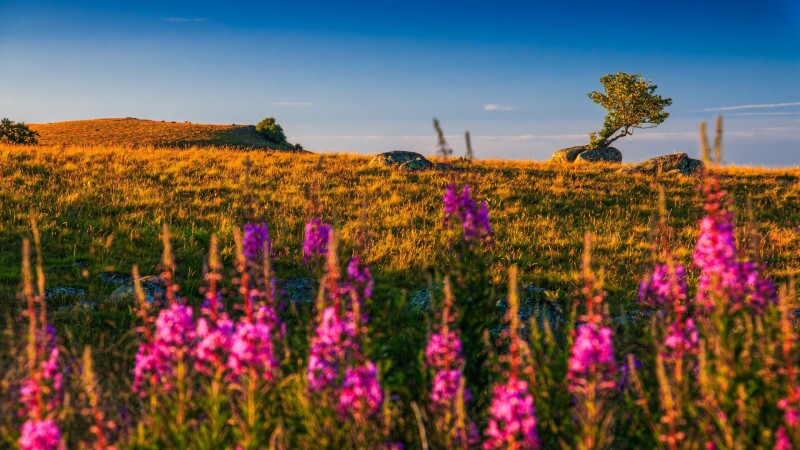
The Le Puy Camino can be walked at any time of year, but as it crosses several high-altitude areas in the Massif Central, most pilgrims choose to travel between late April and early October. Spring March can still feel wintry, but by late April and May the weather usually becomes ideal for long-distance walking. Wildflowers cover the landscapes, particularly on the Aubrac and the trail sees fewer walkers than in summer. However, rainfall is still common, so good waterproof gear is essential. Autumn The weather is generally stable and the oak, chestnut and beech forests turn brilliant shades of gold and red. Nights grow cooler and in September the number of pilgrims drops significantly, creating a peaceful atmosphere. Rain becomes more frequent toward the end of October but overall conditions remain excellent.
We do not currently have departure dates and prices available on-line. See the individual trip pages for further details or contact our sales team on 0044 1606 720199.
Camino & Pilgrimages
Up to 24 nights
hotel-to-hotel
Level: 2 & 2+
Printed route
directions