Seasons, Monsoons and Must See Attractions
Sri Lanka’s weather is shaped by two monsoons. While one side of the island is seeing showers, the other is often dry and bright. This makes it perfect for a relaxed, self-paced holiday. You can tune your route to the season and enjoy each region at its best.
- South & West Coasts (Colombo, Galle, Mirissa, Bentota): best from December to March for calm seas and long, sunny days.
- East & North (Trincomalee, Arugam Bay, Jaffna): shine from May/June to September. During this time, you can expect dry weather and excellent conditions for swimming and surfing.
- Cultural Triangle & Hill Country (Sigiriya, Dambulla, Kandy, Ella): rewarding almost all year. Expect warmer, drier interiors and cooler, fresher hill stations.
If you like quieter paths and better value, consider April, May or late September–October. You can expect a mix of sunshine and tropical showers plus fewer crowds at the big sights.
Travel by month: what to expect
- December–March: This is the classic time for first time visitors. There are clear conditions on the south and west coasts and comfortable days in the hills. It’s ideal for combining fort towns, tea, covered hillsides and easy coastal days. However, it’s also the island’s busiest and most popular period.
- April: Warm and often sunny, with a higher chance of afternoon showers. This is especially true in the south and west. It is a lovely time for hill walks and tea country trains.
- May–August: The Yala monsoon brings heavier rain to the south and west. In contrast, the east and north, east coasts enjoy long, dry days and inviting seas.
- September–October: Transitional months with more unsettled weather and higher cyclone risk in some coastal areas. Still, it’s good for cultural sightseeing in the interior.
- November: Conditions begin to improve in many regions. Late November often combines better weather with fewer visitors than the peak season.
This pattern gives you great flexibility: you can choose your route to match the month. Much as you might follow the seasons through Europe on a walking or cycling holiday.
Must see cultural highlights
Sri Lanka’s compact size means you can weave together temple cities, ancient ruins and hill villages at a comfortable pace. With short transfers between each stop, think of it as a series of gentle stages rather than a race from one landmark to the next.
- Sigiriya Rock Fortress: Rising out of the plains, Sigiriya rewards an unhurried early, morning climb with wide views, frescoes and a sense of the island’s royal history.
- Anuradhapura & Polonnaruwa: These ancient capitals invite slow exploration on foot or by bicycle. You’ll find scattered stupas, reservoirs, and shrines set among trees and open grassland.
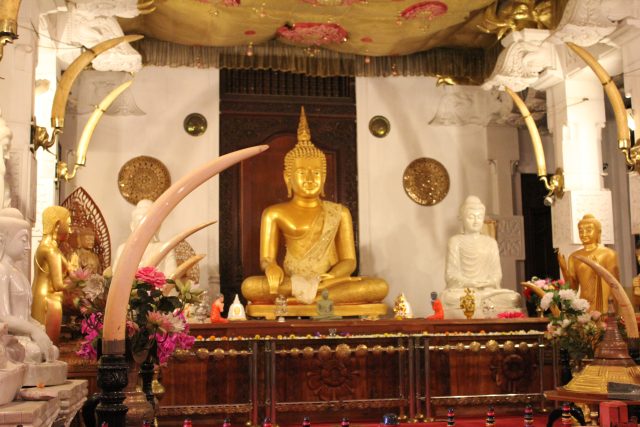
- Kandy & the Temple of the Tooth: Set around a tranquil lake, Kandy combines cool evenings, traditional dance performances, and one of Buddhism’s most important temples.
- Galle Fort: Cobbled streets, sea walls and colonial architecture make Galle a delightful place to stroll at your own pace. Pause for cafés, galleries and sunset views.
Many travellers link these cultural centres with quieter hill towns and characterful coastal villages. This creates an itinerary that feels rich but never rushed.
Natural wonders and gentle adventures
Sri Lanka’s landscapes lend themselves to easygoing, active travel. You can balance time on your feet with time simply soaking up the scenery. Cooler hill temperatures are particularly welcoming if you enjoy walking holidays and scenic journeys.
- Hill Country & Tea Estates: Around Ella, Nuwara Eliya and Haputale, tea, carpeted slopes, forest paths, and viewpoints such as Little Adam’s Peak make for rewarding half-day walks.
- Scenic Train Rides: The rail journey between Kandy and Ella is often described as one of the world’s most beautiful. It glides past viaducts, plantations and village life.
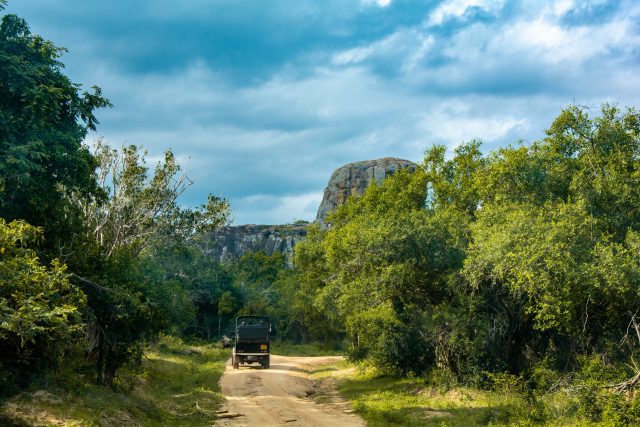
- National Parks: Yala, Udawalawe and Minneriya offer jeep safaris in search of elephants, birdlife and, with luck, leopards. The driest conditions generally occur from around February to July.
- Coastal Experiences: From whale watching off Mirissa and Trincomalee (in season) to relaxed beach days on the south-west and east coasts. There is plenty of scope for gentle water-based adventures.
As with any active holiday, early starts help you make the most of the cooler hours. This leaves afternoons free for poolside reading, a leisurely lunch or a stroll through a local market.
Suggested timings by traveller type
Different styles of traveller will find different seasons suit them best. Much as you might choose spring or autumn for a walking holiday in Europe.
- First-timers: December to March gives a reassuring mix of good weather on the south and west coasts. You can expect comfortable hill temperatures and easy logistics between the main highlights.
- Families tied to school holidays: July and August are excellent for east-coast beaches. There are calmer seas and a relaxed mix of wildlife, culture and sand-castle time.
- Couples and honeymooners: February and March work beautifully for combining warm, settled weather. Additionally, find quieter hill retreats, tea estates and sunset walks along the ramparts of Galle.
- Travellers seeking quieter paths and better value: Look to April–May and late September–November. You can expect some showers but also softer prices, fewer crowds and a more local feel at the big sites.
Whichever month you travel, Sri Lanka rewards a slower, more immersive approach. Think hand-picked guesthouses, time to pause in small towns, and routes that leave space for serendipitous encounters along the way.
Discover our new Sri Lanka Private Tour