After more than forty years of curating walking holidays, we’ve learned that for some, the real value of a journey is the meaning, not the miles. The scenery changes, the weather shifts, yet the steady beat of step and breath, the simple rhythm of walking, remains the same.
Few journeys capture that feeling better than the Camino de Santiago, a network of ancient pilgrimage routes that wind across Europe towards the shrine of St James in Santiago de Compostela, Spain. Every year, thousands of walkers from all over the world set out on the Camino – some for faith, others for reflection, adventure, or simply the joy of slowing down.
Along the way, one small booklet takes on great significance: the Pilgrim Passport. But what is it and why does it hold such significance?
The Meaning Behind the Passport
The Pilgrim Passport (Credencial del Peregrino) is a companion for those who walk with intention. At each church, hostel, café, or sacred site along your route, you collect a stamp, which is a physical token of your progress. It’s a tangible reminder of the people you’ve met, the places you’ve paused, and the reflections you’ve carried with you.
But the passport is more than a memento. It serves as a bridge between the outer and inner journeys. Each stamp tells a story, charting both the miles you’ve walked and the moments that have shaped you along the way.
The Practice of Walking with Intention
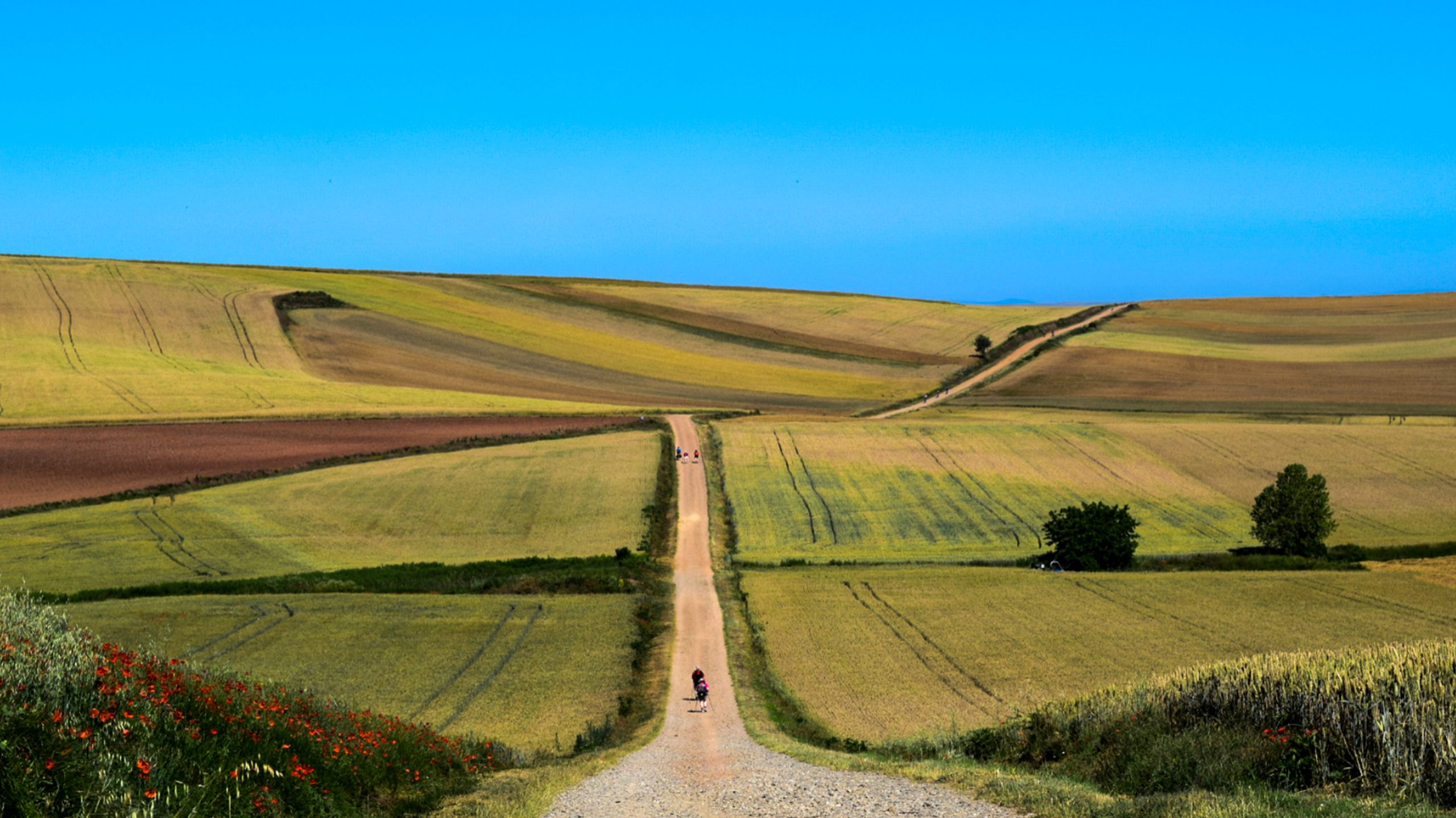
To walk as a pilgrim is to walk attentively: to notice the wildflowers edging the path, the bells of distant sheep, the kindness of strangers who point the way. It’s about walking, not to escape life, but to enter it more fully.
You begin each morning not with a destination, but with an intention to listen, to remember, or to be open. And with every step, that intention deepens.
The Pilgrim Passport becomes a record of awareness. From a church stamp, likely a beautifully designed stamp unique to that location, to a café mark that might recall laughter shared over a cup of coffee. These are the memories the passport holds.
A Tradition Reimagined
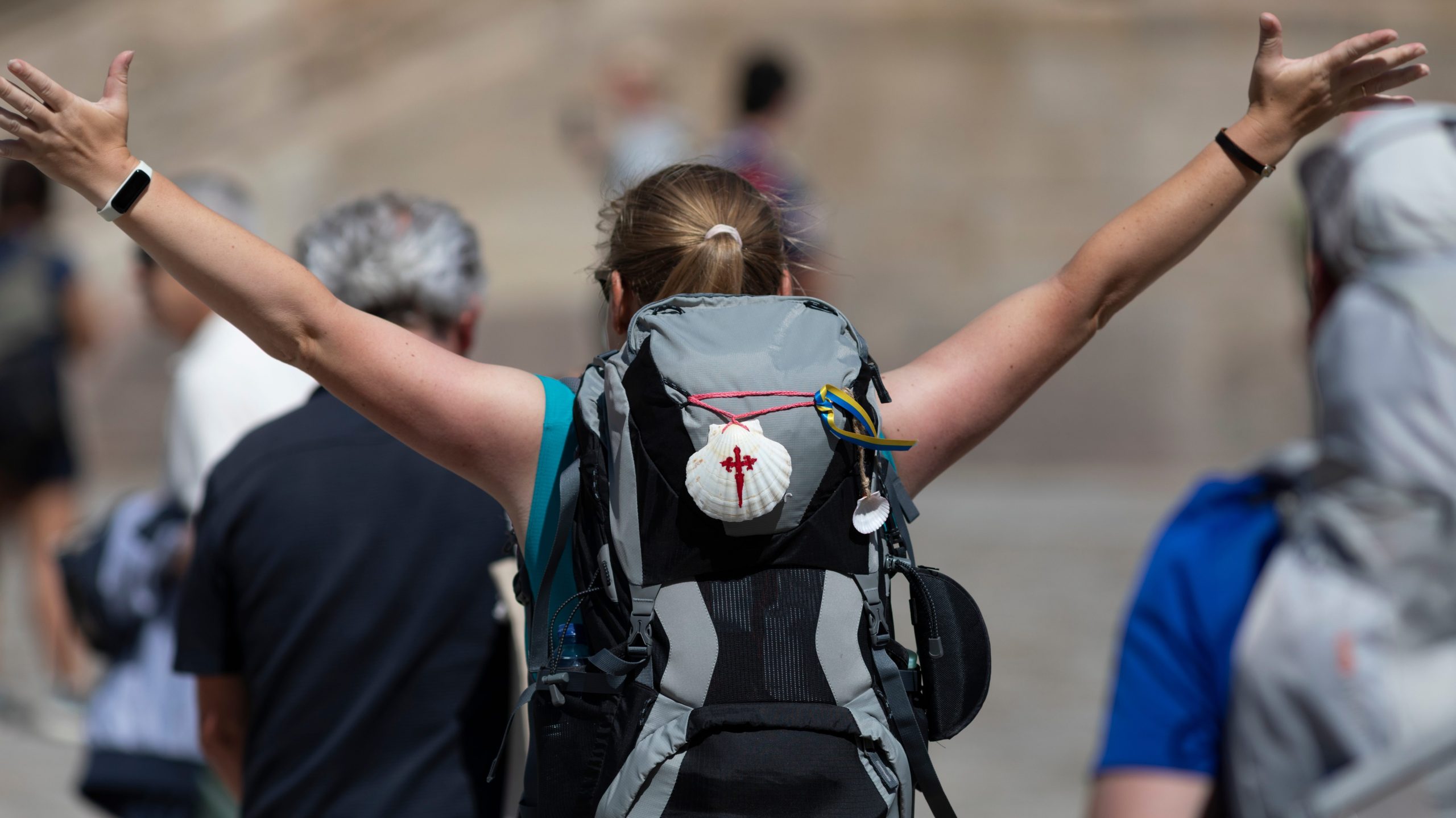
For centuries, pilgrims walking routes like the Camino de Santiago carried a credencial, the medieval forerunner of today’s passport, to prove their journey and receive blessings or accommodations.
Modern travellers now walk many of those same routes, and the spirit remains: connection, reflection, and transformation through movement.
At Headwater, we’ve long championed the joy and peace that independent walking brings, such as travelling in tune with the ground beneath our feet and discovering both place and peace at your own pace. Our holidays have always been about more than the trail; they’re about the quiet reward of the journey itself.
The Pilgrim Passport beautifully captures that ethos. It’s not a checklist, it’s a companion. A little book that, over time, becomes a mirror of your inner landscape.
How to Use The Pilgrim Passport on Your Journey
It’s a simple ritual that turns travel into personal transformation.
After forty years of crafting walking holidays across Europe and beyond, we are delighted to introduce a collection shaped by reflection, heritage, and meaning – The Camino & Pilgrimages Collection.
From the ancient roads of Spain to the sacred trails of Japan, these are journeys designed for both body and soul.
Walk the timeless Camino Frances, trace history on The English Way, or follow the dramatic coastline of the Portuguese Coastal Way. Discover the rugged beauty of the Camino del Norte, or the serenity of The Le Puy Way in France. For those drawn further afield, Japan’s Kumano Kodo and Shikoku Pilgrimage Trail draw you into centuries-old paths of reverence and renewal.
Each route asks you to slow down, to notice, to connect. Every stamp in your Pilgrim Passport marks not just where you’ve been, but how far you’ve travelled within as you find that the walking moved your body, but pilgrimage moved your soul.
And for many, the final 117km from Sarria to Santiago de Compostela remains the most beloved stage: a fitting initiation or a perfect closing chapter to the pilgrim’s story.
To discover this new collection head to {Insert link once we have)
