Adjust filters if required
Holiday type
Skiing
Destination
All
Departure month
All
Find a holiday
Headwater have been offering award-winning cross-country skiing holidays in Europe and winter snow holidays for over 40 years. Our customers tell us it is our carefully researched ski destinations, miles of groomed Nordic trails, hand-picked family-run hotels, effortless airport transfers, and UK-based team of specialists, backed by our ABTA and ATOL protection, that sets us apart.
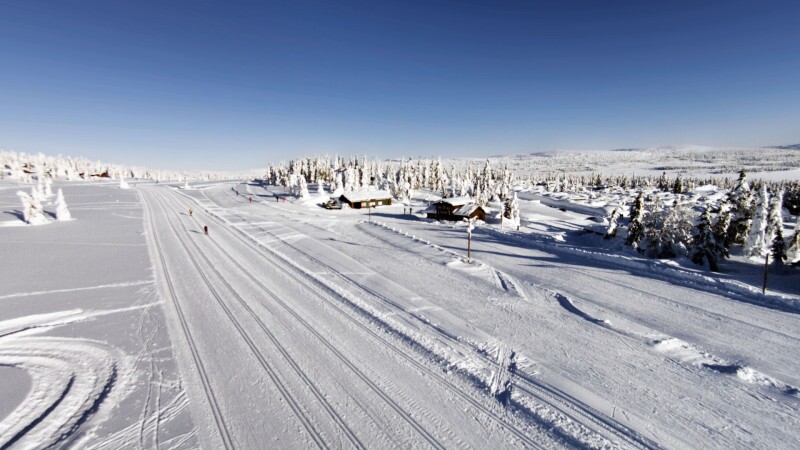
Many of our guests return to Venabu in Norway multiple times, valuing the consistency of snow conditions, friendly instruction and relaxed pace. Set on the edge of the Rondane National Park, near Lillehammer, with around 140km of well-marked trails, ideal for beginner to intermediate cross-country skiers. With all the gear included in the price, you simply ski-from-the-doorstep and you are out onto the quiet, uncrowded, well groomed trails. Whether you are a beginner or you simply want to brush up your Classic or Skate technique, there are both guided tours and lessons included. Read our blog about the wonderful Venabu Fjellhotell here.

Independent Service Rating based on 135 verified reviews.
Our customers say:
Excellent personalised customer serviceRead all trip reviews
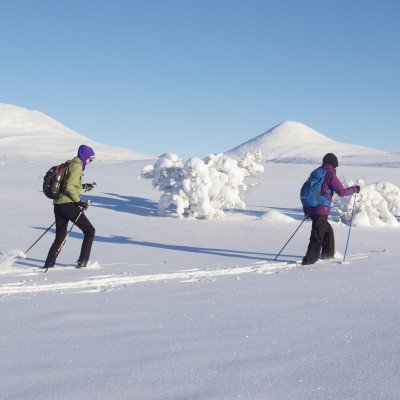
A Headwater skiing holiday is an active yet relaxed way to enjoy winter landscapes at a comfortable pace. Our ski holidays focus on cross country skiing, where you travel through snowy scenery on prepared trails, far away from busy downhill resorts. Days are spent skiing, learning and exploring, with evenings devoted to good food, warm hospitality and time to unwind.
Headwater specialise in cross country (Nordic) skiing holidays rather than downhill skiing. Cross country skiing is ideal if you enjoy being outdoors, exploring winter landscapes and staying active without the crowds or lift queues found in alpine resorts.
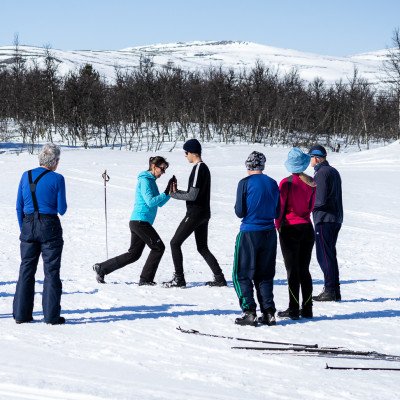
No. Many of our guests are complete beginners when they book their first skiing holiday with us. Tuition is included on one of most popular ski holidays but can easily be arranged at the others – please just ask; the instructors focus on building confidence and technique at a steady, supportive pace. If you already have experience, there are opportunities to improve your skills and explore longer routes.
You don’t need to be super fit, but a reasonable level of general fitness is helpful. Cross country skiing is low impact and rhythmic, and our carefully chosen destinations have a host of trails that allow you to match your ability and stamina. Beginners start gently, with time to rest and practise on shorter, less technical routes.
Yes. Many of our skiing guests travel on their own. Our holidays are sociable, with shared meals and small groups, making it easy to get to know others while still having your own space when you want it. Hotels like Venebu Fjellhotell even has a number of single rooms available, however, they do book up very early.
Venabu is our best selling and most returned to cross-country skiing holiday for good reason. Based on a high mountain plateau in Norway, it offers reliable snow, quiet trails straight from the hotel door, excellent tuition and a genuinely warm welcome at a family run hotel. Many guests return year after year.
Yes. Venabu is particularly well suited to beginners and improvers, thanks to its gentle terrain, well prepared trails and experienced instructors. Equipment hire and tuition is included in the price of the holiday, and the setting allows you to progress at your own pace in a calm, uncrowded environment.
Yes. While most of our holidays cater to beginners and intermediates, more experienced skiers can equally enjoy longer routes and even off track skiing. For example, Cross-country skiing at Sjusjoen is widely regarded as one of the best regions in Europe and offers over 350km of snow-sure, groomed trails, direct from its door.
The ski season typically runs from December through to March, depending on the destination. Early winter offers beautiful light and a festive atmosphere, while January to March often provides excellent snow conditions and longer daylight hours. Venabu, Sjusjoen, Finland and Dolomites (thanks to it snow cannons), in particular, are known for being snow sure throughout the season.
What’s included varies by trip, but most of our skiing holidays include:
Accommodation
Breakfast and Evening meals, but some also include lunches
Use or hire of cross country ski equipment
Where not included, ski tuition and even guided outings can be arranged
We can also book your flights and arrange your airport transfers
Full details are shown on each individual holiday page.
No. On our cross country skiing holidays, equipment hire can be arranged locally and is often included in the holiday price.
Yes. Safety is central to every Headwater skiing holiday. Routes are carefully researched, tuition is provided by experienced instructors, and you’ll have UK based assistance throughout your trip, alongside the our local hotel partners.
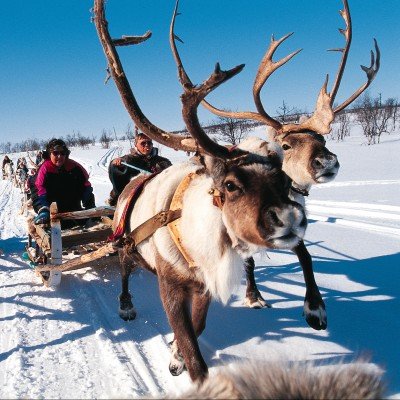
Many of our ski destinations offer additional winter activities, such as snowshoeing, dog sledding, snowmobiling, fat biking, yoga, sauna sessions or simply relaxing and enjoying the scenery. These options vary by destination and are available to book locally at additional cost.
Headwater has been creating expert led active holidays for over 40 years. We work with trusted local partners, choose welcoming family run hotels, and design holidays that balance activity with comfort. Our skiing holidays are ideal if you’re looking for a friendly, well organised introduction to winter travel or a relaxed alternative to alpine resorts.