Our activity holidays in Sicily are based in the undiscovered west of the region, rich in historical interest; the south-east of the region, famous for its UNESCO World Heritage towns, chocolate and wines; and the Aeolian Islands, the volcanic archipelago in the Tyrrhenian Sea north of Sicily.
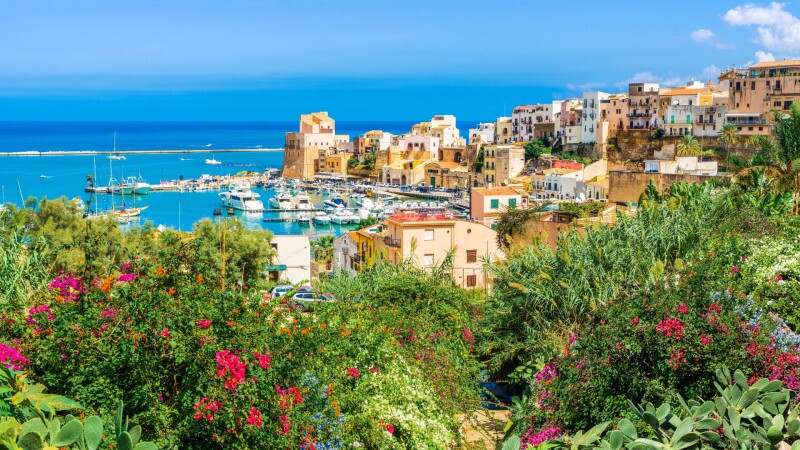
The west is a former Arab kingdom, Palermo's Conca d'Oro (a ring of citrus groves) is an Arabian import. Many towns with their white-washed low walled square houses, such as Marettimo, would not look out of place in North Africa. The countryside is gentler here, than on Etna's flanks, characterised by sloping vine-terraced hills giving way to shingle coves and sandy bays lapped by sapphire waters.
The south has always been the preserve of the Spanish - Ragusa, Noto and Ispica were all rebuilt according to Spanish Baroque in the 17th century after an earthquake. Today their cathedrals could grace any Andalucian square. These gracious towns perch above dramatic limestone gorges, lined with oleander and carob trees. On the coast, you'll find miles of unspoilt, wide sandy beaches. Home to Europe's largest volcano, Mount Etna, this is a land of fertile terraces, bougainvillaea-decked squares and rocky volcanic shores, perfect for exploring on a gentle activity holiday.
The pristine western coast is a region of tranquillity, with azure waters and picture-perfect sandy coves. Just off Trapani lies the Egadi Islands, which are a true walkers' paradise. When walking in Sicily, you'll see a fantastic mix of volcanoes and interesting towns, and taste delicious local cuisine. If you're ready to plan your next adventure, feel free to contact our friendly team of experts today.
We've hand-picked some of the most picturesque and scenic routes for our Sicily walking holidays - look at some of the locations below:
Our Secrets of Sicily walking trail takes you to the Zingaro Nature Reserve, where you'll wind your way through the wild fennel, pomegranate, and citrus trees. You'll find amazing viewpoints which overlook the beautiful coastline, and the reserve is home to around 40 bird species - perfect if you're an avid bird watcher, and even if you're not, who can resist watching rare Bonelli eagles and other birds of prey on the wing?
Marettimo, the most remote of the three Egadi islands, is an ideal destination for those who want to learn more about Sicilian history and culture. See where the Romans and Carthaginians fought the First Punic War in the second century BC, and visit the 12th-century Norman Castello di Punta Troia. Don't miss the stunning whitewashed houses that dot the landscape against a backdrop of shimmering, turquoise waters.
Book our Volcanoes of Sicily walk to island hop between the Aeolian Islands. Admire the spectacular Greek theatre of Taormina and visit Mount Etna, the largest active volcano in Europe. This Sicilian slice of paradise offers clear blue waters and volcanic beaches for those who fancy a refreshing swim en route
Our cycling tours of Sicily offer routes that incorporate stunning coastlines, ancient ruins, exceptional food stops and the best of the island's traditional architecture. Here are a few of the things you can see on a trip with us.
Opt for our cycling tour of Baroque Sicily and you'll enjoy an eight-night stay in one of the island's most culturally diverse regions. The lower right corner of Sicily is ripe with Roman and Greek architecture, with the city of Syracuse - a place Cicero once considered the most beautiful of all Greek cities - one of the highlights. Across southeast Sicily, you'll see a stunning portfolio of Baroque architecture, unscathed natural coastline and be spoilt with some of the best food around.
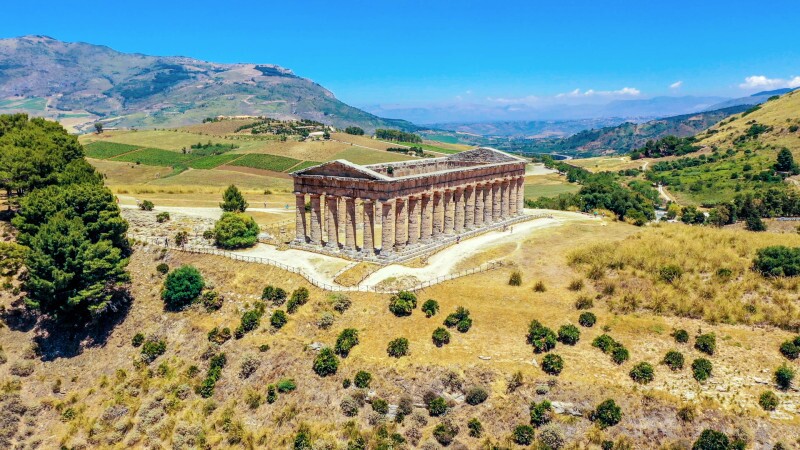
Western Sicily is home to the island's economic and tourist capital in Palermo, but much of the west coast remains largely untouched and undiscovered. Our cycling holidays in western Sicily look to uncover the secrets behind this historically rich region. See the famous 3rd century BC temple at Segesta, and marvel at over two-and-a-half millennia of history at Selinunte Archaeological Park.


Self-guided cycling
7 nights,
hotel-to-hotel

Activity level: 3
Breakfasts plus
1 meal


Self-guided cycling
8 nights,
hotel-to-hotel

Activity level: 4
Breakfasts plus
3 meals


GET 10% OFF THIS TRIP
Self-guided walking
7 nights,
twin centre

Activity level: 5
Bed and
breakfast
GET 10% OFF THIS TRIP
VIEW TRIP


GET 10% OFF THIS TRIP
Self-guided walking
7 nights,
hotel-to-hotel
Activity level: 4
Bed and
breakfast
GET 10% OFF THIS TRIP
VIEW TRIP Tap here to filter results
Filters
Holiday type
All
Destination
All
Departure month
All
Duration
All
Activity level
All
Accommodation type
All
Best for
All
Of course! Sicily is an excellent location for walking enthusiasts, offering trails for beginners and experienced hikers. The beautiful region has something for everyone, which makes it a popular destination for walking holidays.
We recommend you book your Sicily walking tour for mid-to-late spring (April to May) or early autumn (September to October). The temperatures are ideal for walking, and you'll avoid the busy crowds who flock to the region in the heart of the summer months.
Our Sicily walking holidays offer seven-night stays, allowing you to explore the region at your own pace. You can spend your days sight-seeing, admiring the landscapes, or taking part in local activities. A week-long holiday will ensure you get to fully discover this Mediterranean paradise.
As the region is known for its diverse landscape, each Sicilian walking route provides picture-perfect scenery. With miles of beautiful coastline and ancient ruins to admire, you'll be spoilt for choice whichever route you take. Our Secrets of Sicily walking route explores the unspoilt north western part of the island, as well as the nearby Egadi islands. Head down to the pristine beaches, stroll through the ancient hill villages, and marvel at the preserved nature reserves. Perhaps you'd like to take on our Volcanoes of Sicily walk? It's one of our most marvellous and unique walks - you'll get to wander the beautiful Aeolian islands while volcano spotting along the way!
If you've always wanted to explore Italy on foot, our walking holidays in Sicily could be just right for you. Ideal for those who love the great outdoors and enjoy staying active, our walking tours will ensure you are up and about for most of the day.
Each of our self-guided walking tours comes with a full itinerary, allowing you to explore the region at your own pace. You'll have the opportunity to get involved with the local cuisine, history, and culture, which will make for the perfect adventure.
When you book with Headwater, you can expect an excellent level of service. We want to make your holiday as smooth as possible, with benefits including:
You'll need to bring along your typical walking clothes, boots, and sunglasses, but we also recommend you pack:
Walking in Sicily will typically require you to dress for the warm and humid conditions. You must wear comfortable, weather-appropriate, and breathable clothing, as well as sturdy walking boots. Ensure you stay protected from the sun and wear a hat, sunglasses, and plenty of SPF.
You'll pass through towns on your route which are home to hotels. However, when you book a holiday with us, we'll arrange all your accommodation to guarantee hassle-free travel.
Absolutely. Sicily is one of the best locations in Europe to experience on two wheels. Why? An ideal climate in the months either side of summer make it a wonderful spring or autumn getaway. The hilly, mountainous landscapes filled with ancient Greek, Roman and 17th century Baroque architecture, scrumptious Sicilian cuisine, and an unspoilt coastline make it a truly unforgettable spot to visit.
The sensational landscapes and terrains of Sicily make it a cyclist's paradise no matter where you head, but many repeat visitors to the island certainly have their favourites. Palermo in the west is Sicily's central hub and also a font of Baroque architecture. And Noto, found at the very tip of the southeast coast in Syracuse, is rife with architectural and academic history among many great cycling trails.Rest assured, our cycling tours of Sicily take in some of the very best areas the island has to offer.
Taking on the entirety of Sicily by bike would be a wonderful but rather mammoth challenge. So, we've created weeklong-plus packages that focus on a specific region of the island and the best parts within it. You can spend seven nights on the west coast or eight nights in the southeast Baroque region, and in that time we're confident you'll see everything you want while enjoying a relaxing tempo to your trip.
There are four ways to start your Sicily cycling tour booking with us:
You can trust us to deliver when it comes to making your Sicily cycling tour the trip of a lifetime. Our 40-plus years of experience in creating handpicked adventure holidays make us one of the UK's industry experts, and we're passionate about making your trip the best it can possibly be


