Self-Guided Pilgrimage
Japan: Pilgrimage Kumano Kodo

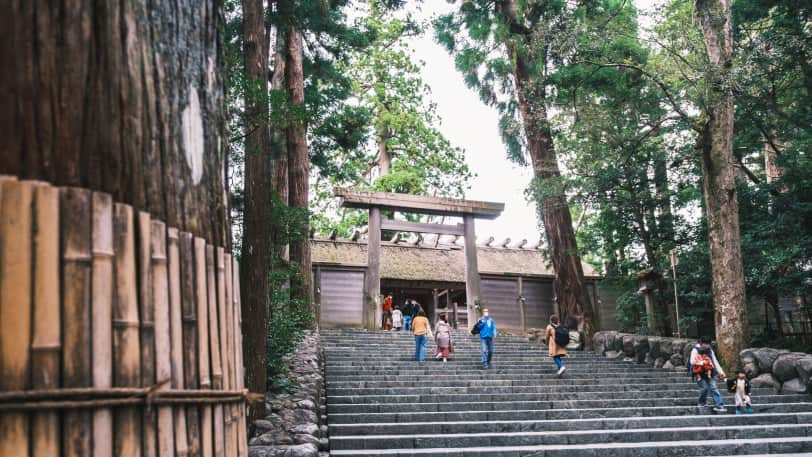
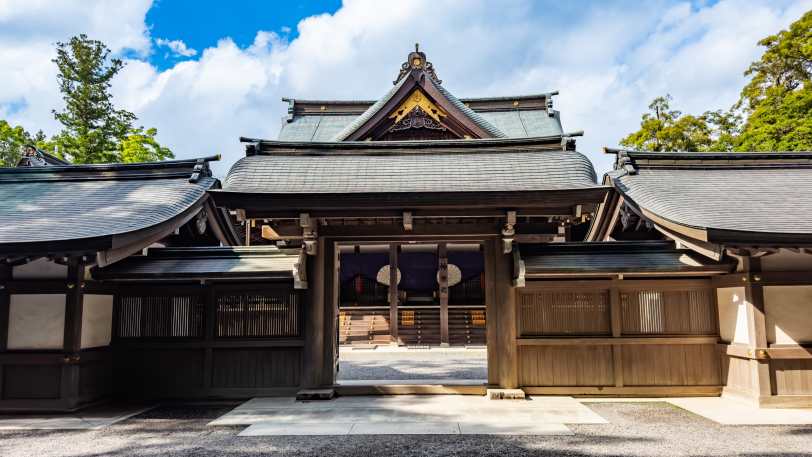
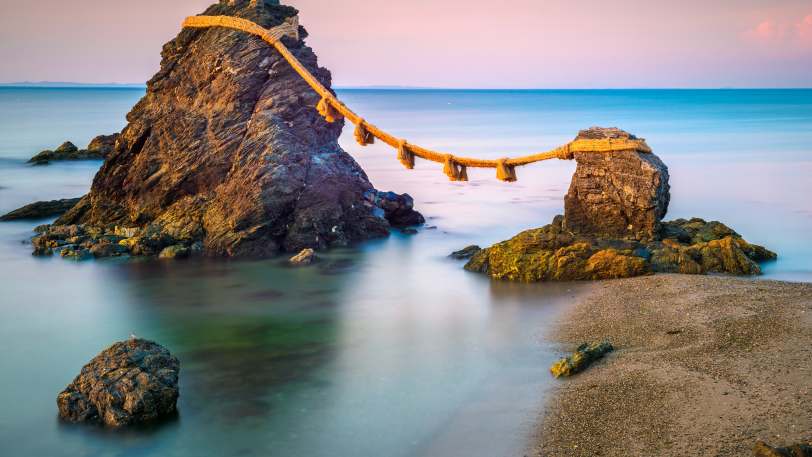
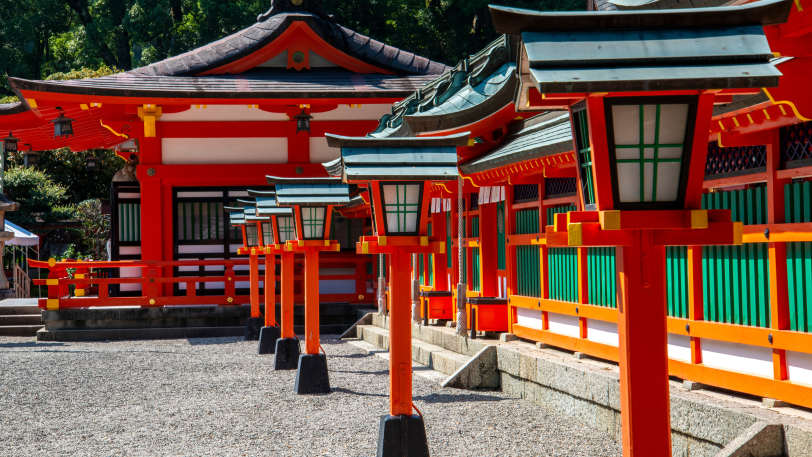
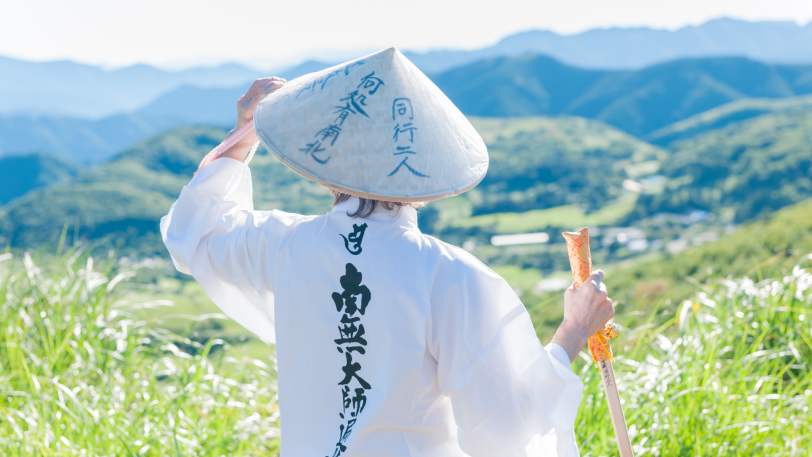
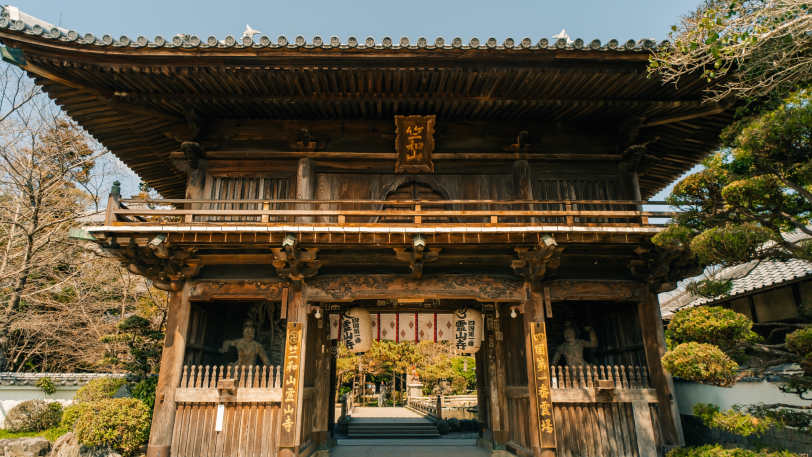
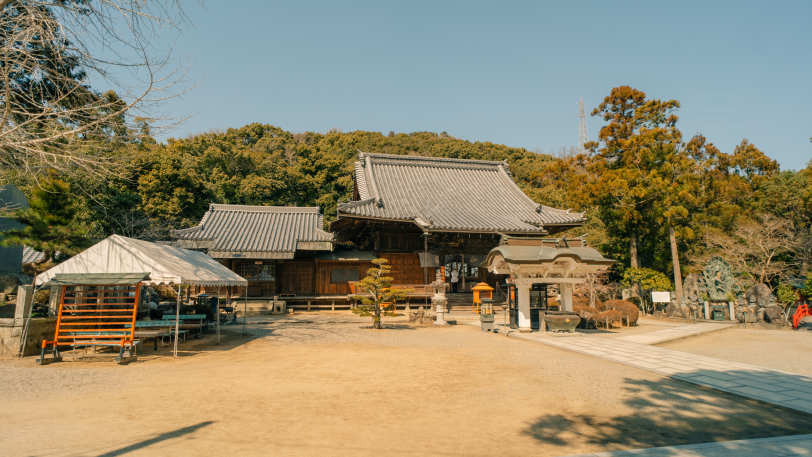
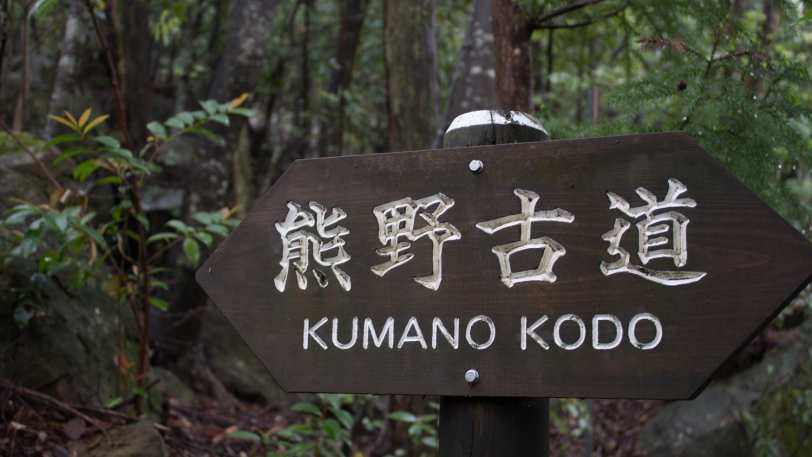
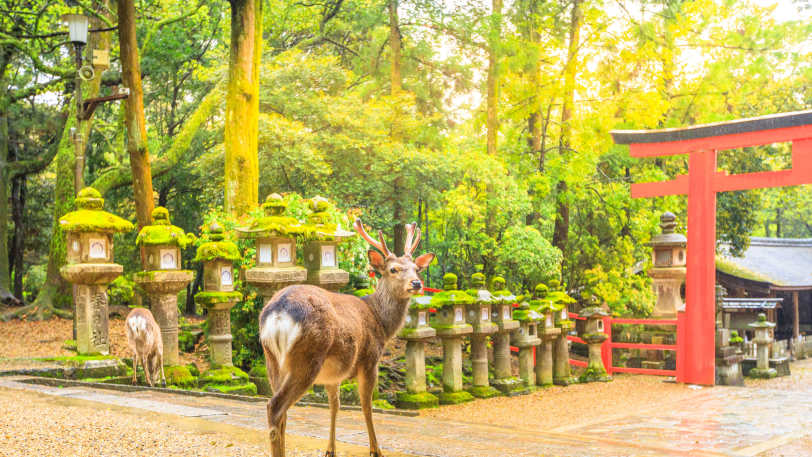
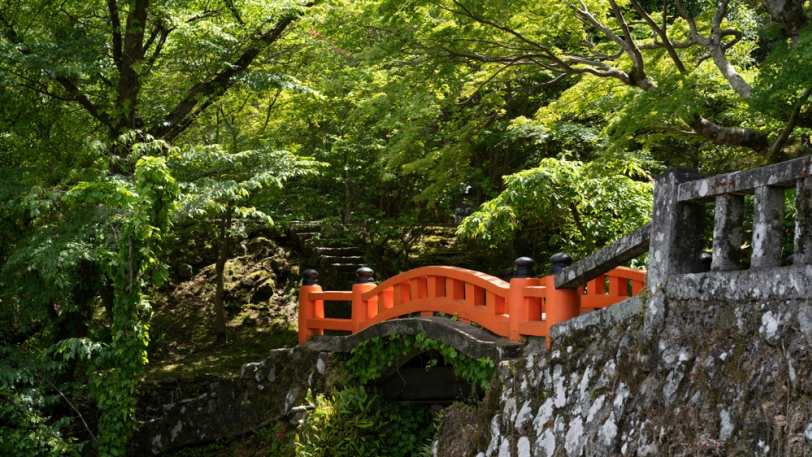
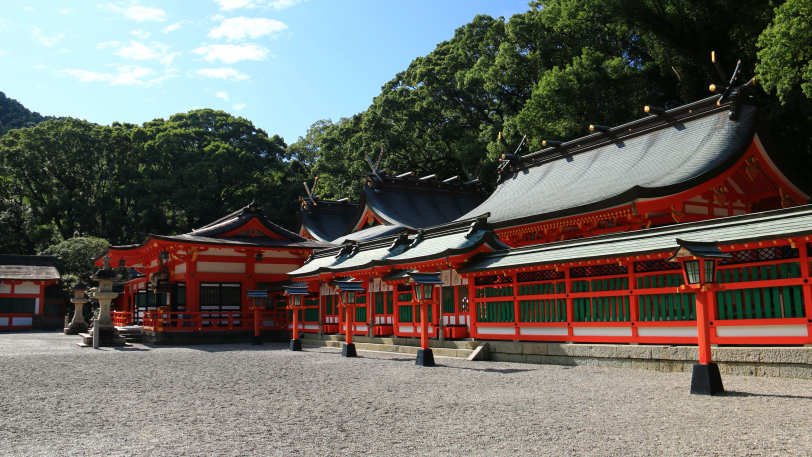
Located in the coastal town of Ise on the Kii Peninsula, Ise Grand Shrine (Ise Jingu) is Japan’s most sacred Shinto site. Dedicated to the sun goddess Amaterasu, it has deep ties to the imperial family and is entirely rebuilt every 20 years in a centuries old tradition. Your journey follows the Iseji route of the Kumano Kodo, linking this revered shrine to the Three Grand Shrines of Kumano. Walk in the footsteps of pilgrims who, for over a thousand years, have travelled this historic, UNESCO certified trail.
Let us arrange flights to fit seamlessly with your holiday. Book your flights with us as part of a fully ABTA and ATOL protected package.
Take the hassle out of arriving. We can arrange comfortable airport transfers, so your holiday gets off to a smooth start.
Level 4 — Moderate
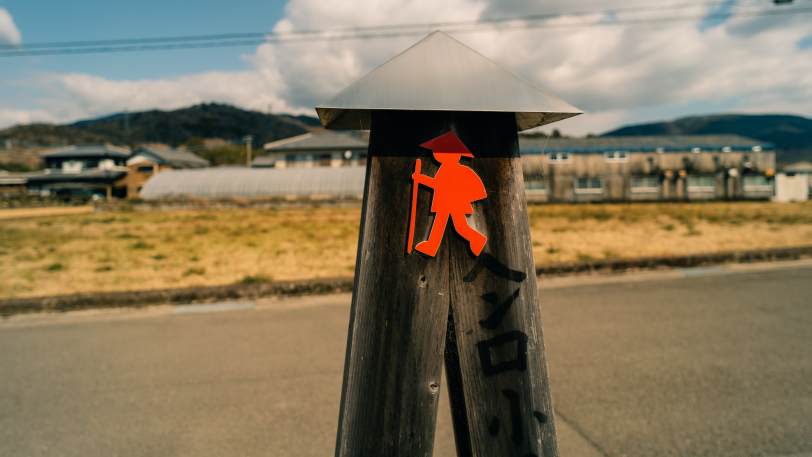
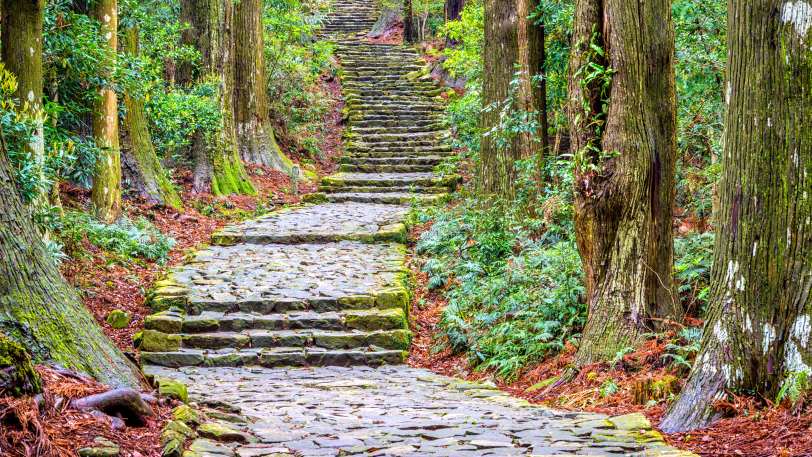
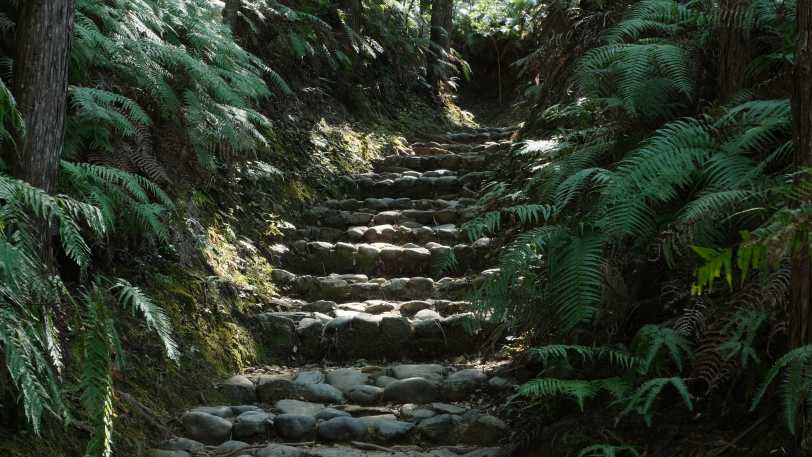
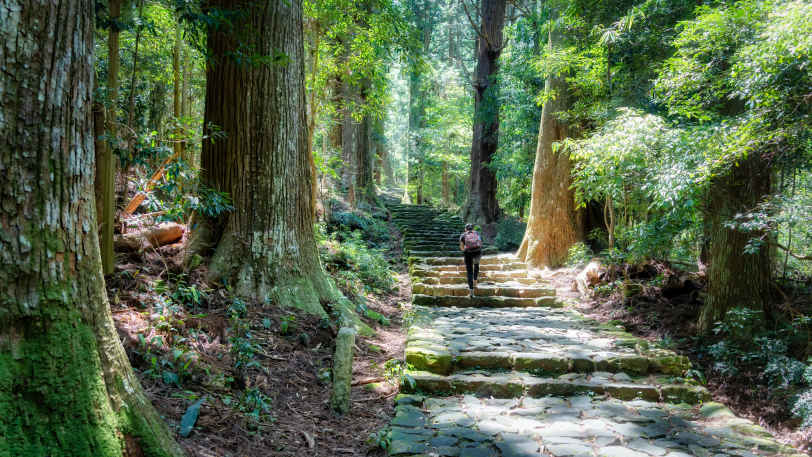
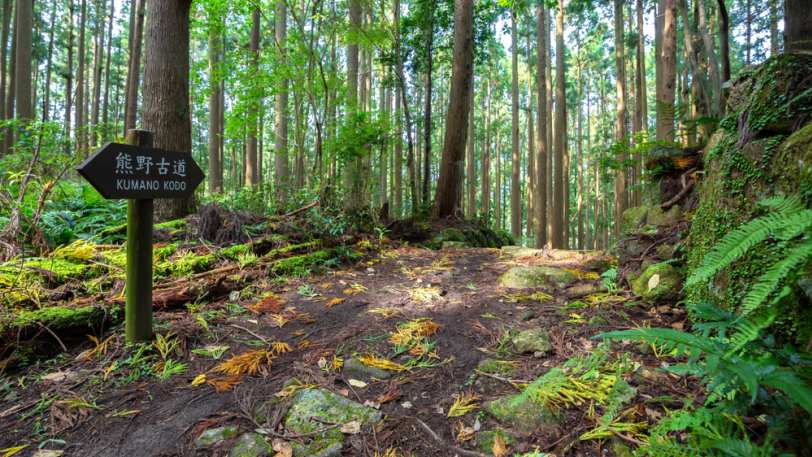
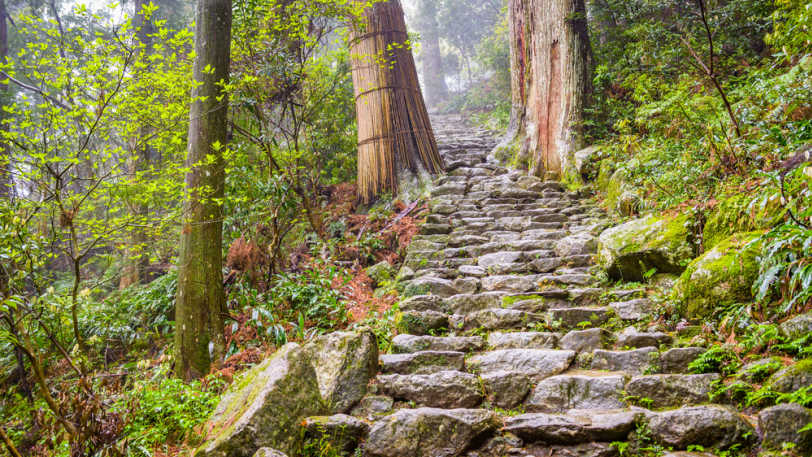
Walking follows the historic Kumano Kodo Iseji trail on varied terrain, including coastal paths, forest trails, ancient cobblestones and rural valley paths. Some sections are rough or uneven underfoot, with steady ascents and descents through wooded hills between the coastal stretches. This Moderate grade holiday involves more sustained walking and some longer days, so a reasonable level of fitness is required. Sturdy walking boots are essential, and walking poles are recommended.
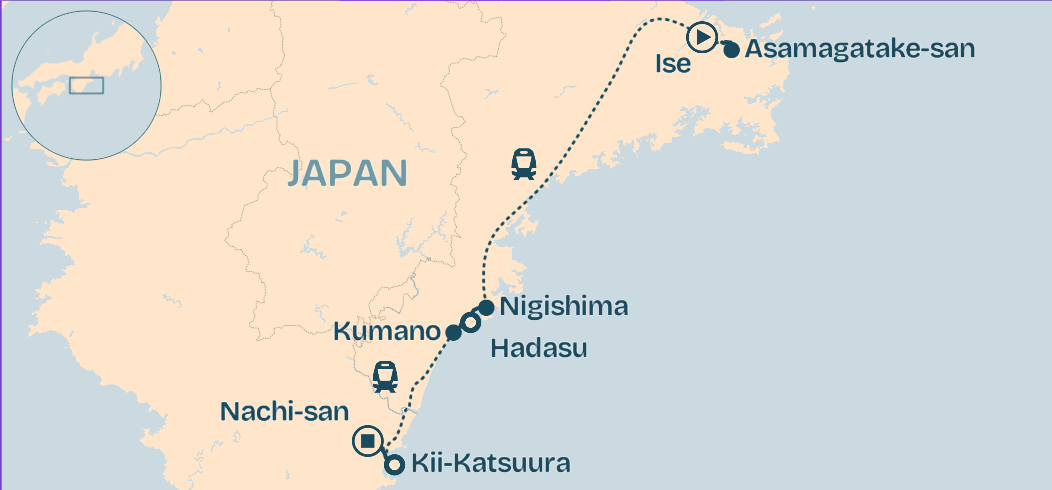
Begin your journey on a train from either Osaka or Kyoto as you make your way to Ise. Arrive at Isuzugawa Station, nestled between the Inner and Outer Shrines of the sacred Ise Grand Shrine. After a short bus ride, visit Sarutahiko Shrine, where pilgrims traditionally pray to the deity for guidance on their path. Take a leisurely stroll along a beautifully preserved traditional shopping street before reaching the Inner Shrine of Ise. In the afternoon, you have the option to visit the Outer Shrine or continue by bus to the coastal town of Futaminoura, where you’ll spend the first two nights of your tour.
Please consider adding a night before the start of the trail to best prepare for your trip and allow for your documentation to be delivered to you.
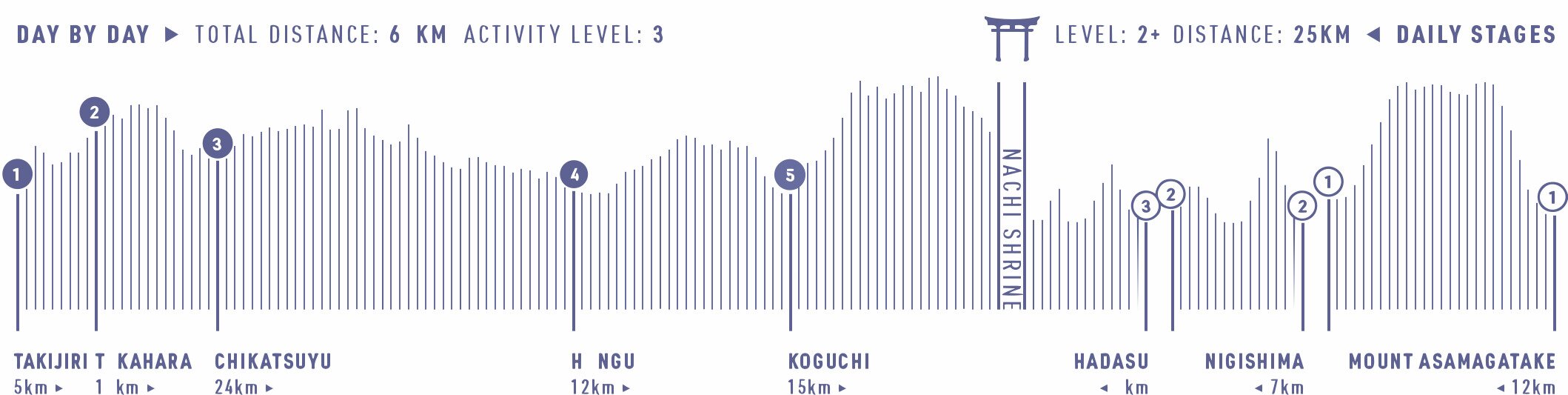
Elevation
You stay at Accommodation on your Pilgrimage – Japan
To reflect the spirit of travelling through Japan, we use a mix of modern hotels, traditional inns and temple lodgings. Hotels offer Western-style comfort, though rooms are often smaller than in Europe, with private bathrooms, air-conditioning, a television and a fridge.
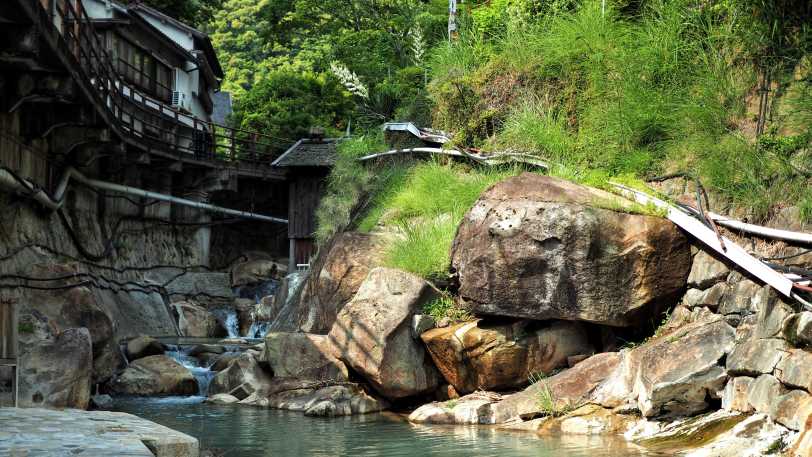
Traditional stays in ryokan and minshuku provide an authentic Japanese experience, with tatami-mat rooms and futon bedding prepared each evening. Ryokan are generally more formal and may include exquisitely presented multi-course meals and communal hot-spring baths. Minshuku are usually family-run and simpler, with shared bathrooms in many older buildings, but offer the same warm welcome and excellent home-cooked food.
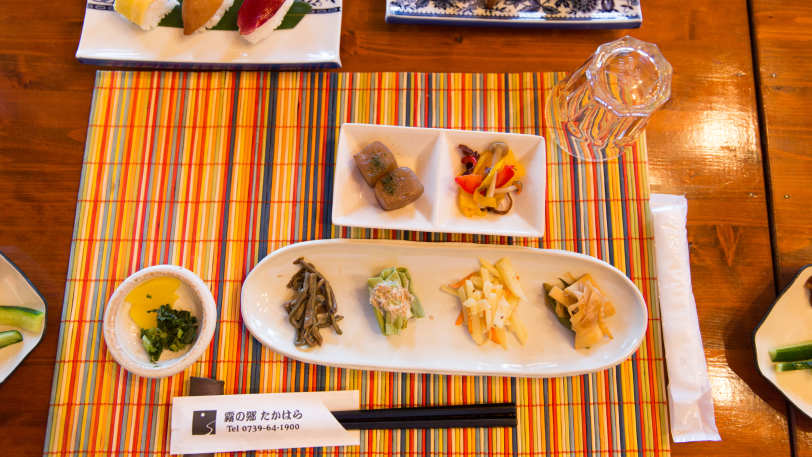
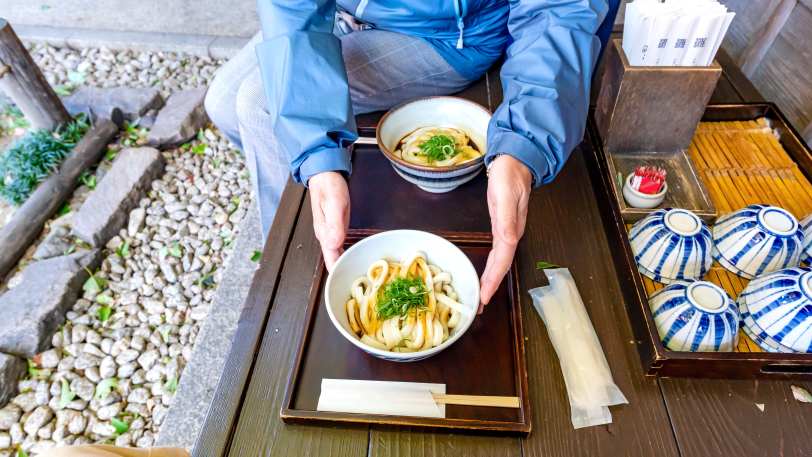
At traditional inns, shared bathroom facilities may be part of the experience. Meals are mainly Japanese; while some vegetarian options can be arranged, strict vegetarian, vegan or gluten-free diets are difficult to accommodate due to the use of dashi, soy sauce and miso. Tipping is not expected.
Full accommodation details will be confirmed nearer to your departure, and we will always advise in advance if shared facilities are required.
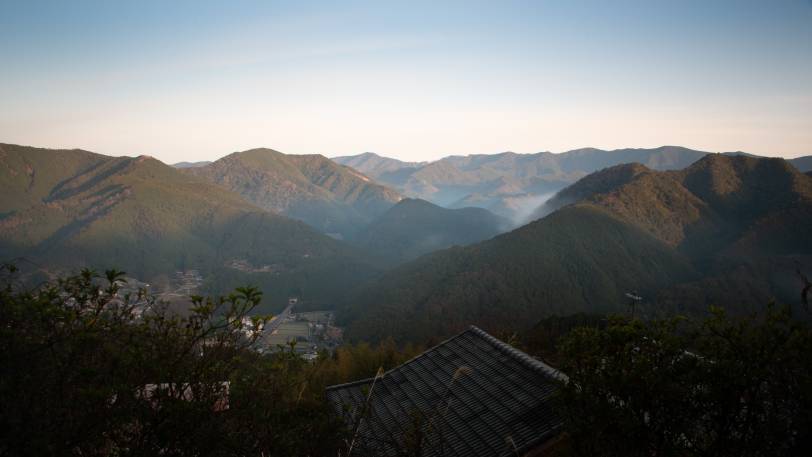
Start the day with a short train ride through a quiet village, leading to the trail up Mount Asamagatake. Enjoy a steady climb past Asama-Toge Pass before reaching Kongosho-ji Temple and stunning panoramic views. On your return, take the train back with time to relax or further explore the coast and nearby spiritual sites.
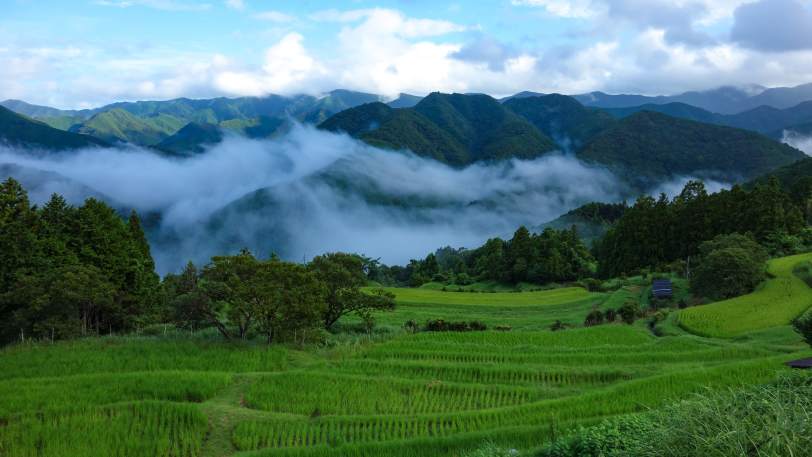
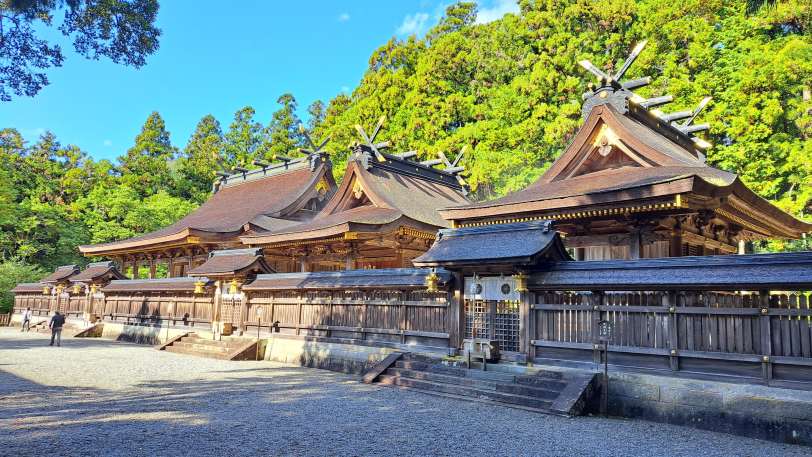
After leaving the Mie area, taking a train to the south part of the prefecture and joining the Kumano Kodo trail for the first time. Upon arrival to the station, a short taxi ride will take you to Nigishima to begin your hike along the Iseji section of the route.
Return to Hadasu to walk one or two scenic sections of the Iseji pilgrimage trail, choosing between a shorter or extended route on the day. Visit the sacred Hayatama Grand Shrine in Shingu City, then continue to Kii-Katsuura for an overnight stay at an onsen hotel and time to enjoy the town.
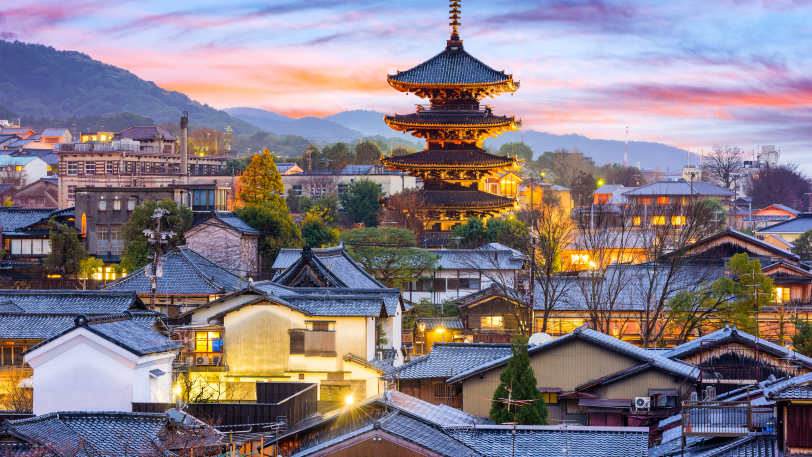
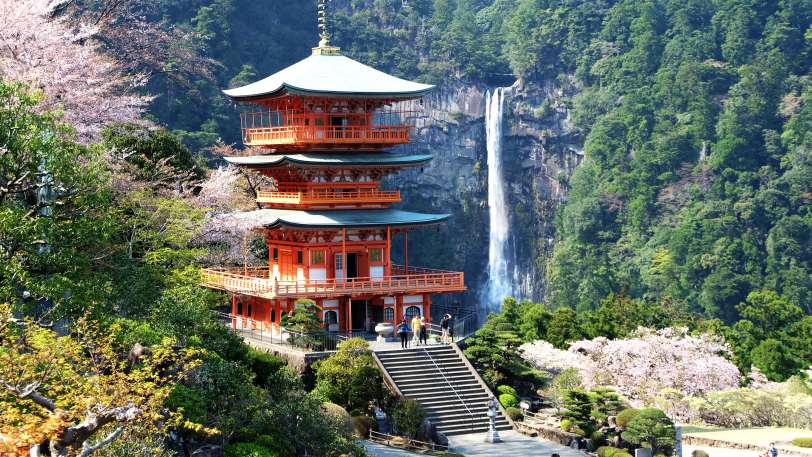
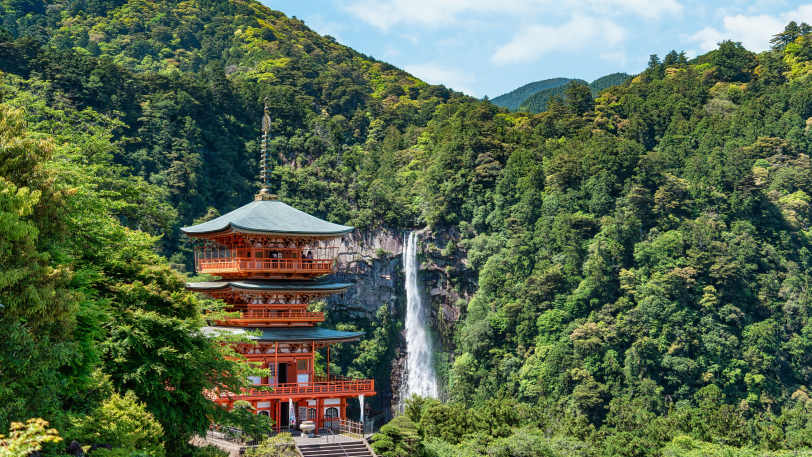
Enjoy a peaceful final morning at Mount Nachi, home to its iconic shrine and waterfalls, before taking the train to Osaka or Kyoto in the afternoon. To make the most of your experience, consider adding an extra night in either city to further explore their vibrant culture, historic sites, and local cuisine at a more relaxed pace.





Since this is a new trip, no reviews are available yet, but here are reviews from satisfied Headwater bookers. Independent service reviews collected by Feefo.
28.0
Kg CO₂e
per person, per night
Relative to other Headwater trips
We measure emissions from the parts of the holiday we organise — including accommodation, in-trip transport, meals and activities — and express them as CO₂e per person, per night. Our label doesn’t include your travel to and from the start of the trip. As a Certified B Corp, Headwater is committed to reducing this figure and to positively impacting local communities, the local environment and our staff. Learn more
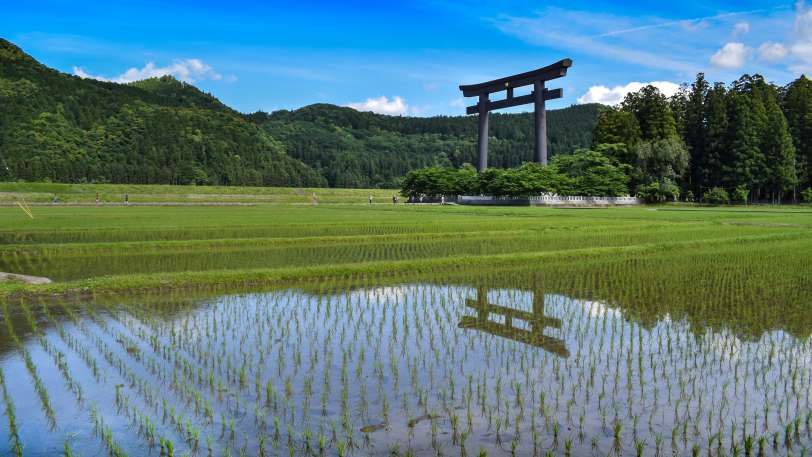
The Kumano Kodo is a network of pilgrimage trails, so the duration depends on your chosen route. Our itineraries typically range from 4 to 6 walking days, covering sections of the Nakahechi route – the most popular and historically significant trail – or the Iseji path. This allows time to enjoy the landscapes, shrines, and cultural highlights at a comfortable pace.
The best seasons are spring (March to May) and autumn (September to November), when temperatures are mild and the scenery is spectacular. Spring brings cherry blossoms, while autumn offers vibrant foliage. Summer can be hot and humid, as well as the busiest time to visit Japan.
For the Nakaechi trail, we would recommend sending main luggage from the accommodation before the trail to Yuinomine/Kawayu Onsen (Day 3), and then from there to wherever clients stay after the trail.
For the Iseji trail, we would suggest to send the main luggage from their accommodation before the trail to Kumano City (Day 3), and then from here to wherever they stay after the trail.
This can be done using the Takkyuibin service, read more about it on our Pilgrimages FAQs.
We recommend packing:
Comfortable walking shoes or boots (well broken-in),
Lightweight, breathable layers for changing weather,
Waterproof jacket and a small daypack,
Reusable water bottle,
Sun protection (hat, sunglasses, sunscreen),
Spray repellent for ticks and insects