



Cultural tours
Japan: Honshu


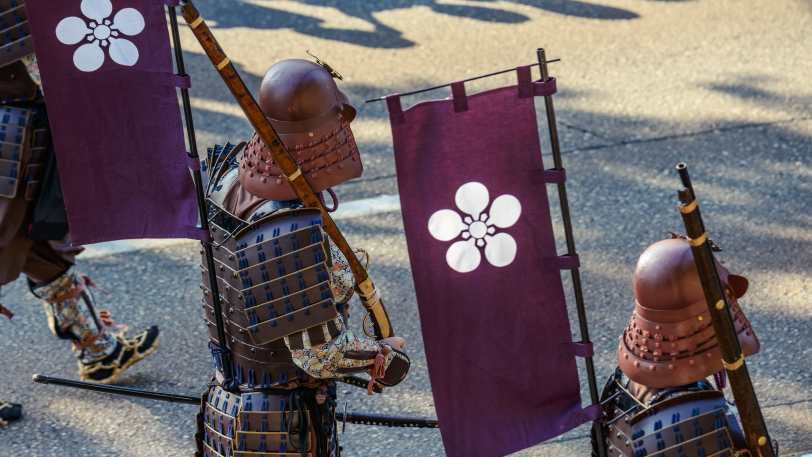
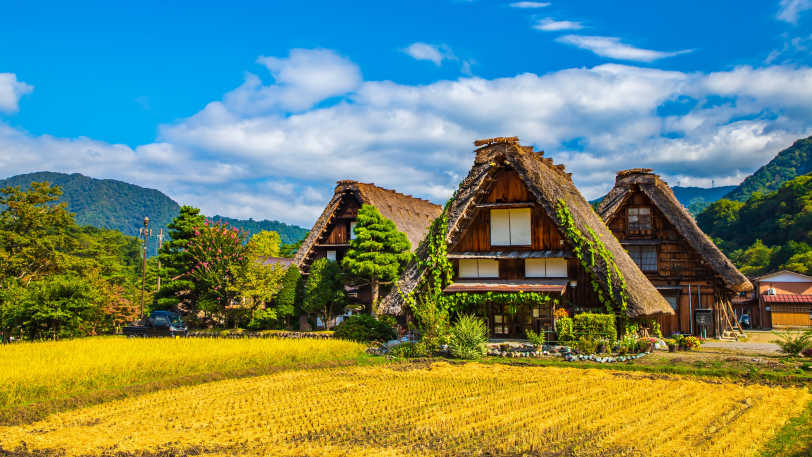


Step into the heart of Japan on this immersive journey that traces the enduring legacy of the samurai class and the powerful Shogunate dynasties that shaped the nation for over 700 years. From the bustling streets of Tokyo, once known as Edo – capital of the Tokugawa Shogunate -to the cultural splendour of Kyoto, Japan’s imperial seat for more than a millennium, this itinerary offers a window into a richly layered past defined by power, honour, artistry, and resilience.
Our travel specialists can arrange flights, rail and transfers to this holiday from wherever you are. Call us to plan your journey. 01606 720199

Your journey begins in the dazzling metropolis of Tokyo. Upon arrival, check in to your hotel and take a moment to unwind. While airport transfers aren’t included, we’re happy to recommend the most efficient and comfortable ways to reach your accommodation.
Eager to stretch your legs? Step out and dive straight into the city’s rich contrasts-sleek modernity, centuries-old shrines, and vibrant neighbourhoods waiting to be explored on foot.
You stay at Hotels, Ryokans & Minshuku Guesthouses
Hotels: Modern western-style hotels are used. The rooms are generally smaller than equivalent hotels in the West. All have en-suite facilities, air-conditioning, TV, and fridges in rooms.
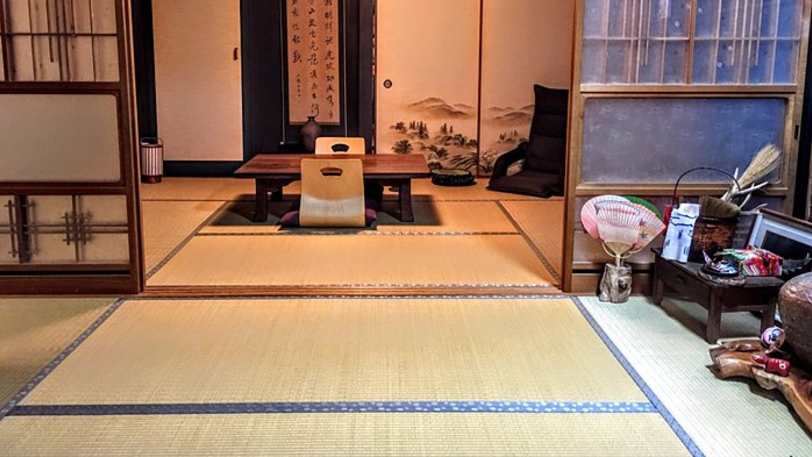
Ryokan: Ryokan are traditional Japanese-style inns. They may be in modern concrete or older wooden buildings, but the rooms are always in the Japanese style with tatami (straw) matting and futons laid out in the evening by the ryokan staff. Evening meals* are served together usually in the dining room and are exquisitely prepared multi course meals. Many ryokans have both en-suite bathrooms (except for some older buildings) and communal hot spring style baths. They are the classic Japanese experience.
Minshuku: Minshuku are usually family-run traditional Japanese-style inns. They have tatami-mat rooms, with futons laid out in the evening for sleeping. Most minshuku do not have en-suite bathrooms as they are in older traditional wooden buildings. Compared with a ryokan, they are usually (but not always) slightly less formal, but the service and food* are just as good.
At these the inns and Shukubo, futon bedding on tatami mat is provided; toilet and bathing facilities may be shared.
*Most meals will be Japanese cuisine. Vegetarian options are available but limited. Strict vegetarian diets, vegan diets, or gluten free diets will be difficult to accommodate due to the pervasiveness of the fish-based stock dashi and the use of soy sauce and miso in Japanese cuisine. Tips are not required when dining in Japan.
Today is dedicated to uncovering the vibrant contrasts of Tokyo. Whether you’re drawn to the gleaming luxury of Ginza, with its elegant department stores and boutiques, or the energy of Shinjuku, home to soaring skyscrapers and the world’s busiest transport hub, the city offers endless inspiration, Asakusa (home to Senso-ji temple, important during the Edo period) or Ueno, which retains cultural remnants from the Shogunate era.
For a quieter, more traditional perspective, explore the charming streets of Yanaka Ginza – nicknamed Cat Street – or venture west to the Tokyo Edo Open-Air Architectural Museum, where historic buildings offer a window into Japan’s past.
To deepen your cultural immersion, we also offer optional experiences: join a sushi-making class or try your hand at Shodō, the refined art of Japanese calligraphy. Please enquire at the time of booking for details and availability.
This morning, board the iconic Shinkansen – Japan’s high-speed bullet train – and enjoy a smooth, scenic journey to Kanazawa. Once the seat of the powerful Maeda clan, the second most powerful feudal family after the Tokugawa, Kanazawa rose to prominence during the Edo period as Japan’s fourth-largest city, rich in history and refined culture.
A highlight of your visit is Kenrokuen Garden, celebrated as one of Japan’s ‘three great landscape gardens’ and often regarded as the most beautiful of them all. Stroll through its meticulously designed grounds, where every element reflects harmony and seasonal beauty.
Just a short walk away lies Nagamachi, the city’s former samurai district, where cobbled lanes and earthen walls preserve a sense of feudal-era Japan. Step inside a traditional samurai residence and discover its peaceful garden-an elegant reminder of a once powerful warrior class.
The highway bus, that will take you through the scenic Japanese Alps to the UNESCO-listed village of Shirakawa-go, renowned for its traditional gasshō-zukuri farmhouses with steep thatched roofs designed to withstand heavy snow.
We recommend a visit to the Shiroyama Viewpoint for a spectacular panoramic view of the village. For a deeper insight into village life, explore one of the preserved farmhouses open to the public.
Later, continue on to the charming town of Takayama by highway bus. Upon arrival and after settling into your accommodation, you may wish to explore the nearby Takayama Castle ruins or enjoy a leisurely stroll along the peaceful Higashiyama Temple Walk, which weaves through a series of beautifully preserved temples and quiet forest paths.
Enjoy a full day at leisure in Takayama, a beautifully preserved town nestled in the mountains, known for its deep connection to traditional craftsmanship. Once home to highly skilled artisans who served the imperial courts of Kyoto and Nara, Takayama has retained its historic charm through its Edo-period streets, timber merchant houses, and enduring cultural heritage.
Take time to explore the town’s renowned artisanal traditions, from intricate yew wood carving and Shunkei lacquerware to finely crafted pottery and bespoke furniture, many of which can be seen (and purchased) in local studios and galleries.
This evening, dinner is at your leisure. With a wide variety of inviting local restaurants, it’s the perfect opportunity to savour Hida beef, regional specialities, or explore one of the town’s cosy sake bars or izakayas.
Today you’ll journey by Express Bus to the historic castle town of Matsumoto, nestled against the backdrop of the Japanese Alps. Known for its creative spirit, Matsumoto is the birthplace of avant-garde artist Yayoi Kusama and home to Japan’s largest collection of Ukiyo-e woodblock prints, offering a vibrant blend of tradition and modern culture.
A highlight of your visit is the striking Matsumoto Castle, affectionately nicknamed the Black Crow Castle for its elegant black exterior. One of Japan’s few remaining original castles, it invites you to explore its wooden interiors, hidden staircases, and panoramic views over the surrounding town and mountains.
With its rich cultural offerings and relaxed atmosphere, Matsumoto is a destination to savour at your own pace.
This morning, travel to the beautifully preserved village of Narai, once famously known as ‘Narai of a Thousand Inns’. As the most prosperous of the 69 post towns along the historic Nakasendo Trail, Narai offers a rare glimpse into Japan’s Edo-period past, with its traditional wooden buildings and atmospheric streets.
After lunch, continue your journey by train to Nagiso, followed by a short bus ride to Tsumago – the 42nd post town along the trail and one of the most authentic and evocative. Painstakingly restored and protected from modern development, Tsumago feels like stepping into a living museum of the late Edo period.
Tonight, unwind at a mountainside hot spring inn located just outside the main town. Nestled in the tranquil hills, your accommodation offers a peaceful retreat and a chance to experience the healing traditions of Japanese onsen culture.
After returning to Tsumago for a final stroll through its historic streets, continue your journey by local bus to Magome, the next post town along the Nakasendo Trail. As the 43rd station on this ancient route, Magome is known for its steep cobbled street lined with beautifully restored Edo-period inns, tea houses, and shops, offering a vivid sense of life in Japan’s feudal era.
Magome is also the birthplace of celebrated author Shimazaki Tōson, a central figure in Meiji-era Romanticism, whose legacy adds a literary charm to the town’s cultural appeal.
After your visit, you’ll travel onwards by bus and train to the former imperial capital of Kyoto, where tradition and refinement await.
Start the day immersing yourself in the timeless ritual of sa-dō, the Japanese Way of Tea. Rooted in Zen philosophy and centuries of refinement, the tea ceremony is far more than the act of drinking tea, it is a meditative expression of hospitality, harmony, and quiet beauty, offering a window into the essence of Japanese culture.
The remainder of the day is yours to explore Kyoto at your own pace. Once the imperial capital for over a millennium, Kyoto is a living museum of Japan’s cultural heritage. Here, ancient temples, shimmering shrines, wooden machiya townhouses, and manicured gardens coexist gracefully with modern elegance.
Spared from destruction during World War II, Kyoto’s historical treasures remain remarkably intact. Wander through districts like Gion, where geisha traditions still flourish, or find peace in the shade of a centuries-old pagoda-the spirit of old Japan lingers in every corner.
Today is yours to continue exploring Kyoto’s timeless beauty, or take a short journey to Nara, Japan’s first permanent capital. Easily reached in under an hour by Japan Rail, Nara offers a peaceful and culturally rich escape, known for its Great Buddha, ancient temples, and friendly free-roaming deer in Nara Park. Tickets can be purchased conveniently from the self-service machines at Kyoto Station.
For those looking to deepen their cultural experience, we offer a selection of optional hands-on activities. Discover the poetic art of Kintsugi -repairing broken pottery with gold – take part in a Japanese cooking class, or explore the world of traditional fabric dyeing in a local workshop. These enriching experiences are a wonderful way to engage with Kyoto’s living traditions. Please enquire in advance for availability and details.
If you’d like more time to immerse yourself in Japan’s rich culture, scenery, or cuisine, why not add a few extra nights to your adventure? Our team will be delighted to advise on the best options to suit your interests and travel plans.






Since this is a new trip, no reviews are available yet, but here are reviews from satisfied Headwater bookers. Independent service reviews collected by Feefo.
7.0
Kg CO₂e
per person, per night
Relative to other Headwater trips
We measure emissions from the parts of the holiday we organise — including accommodation, in-trip transport, meals and activities — and express them as CO₂e per person, per night. Our label doesn’t include your travel to and from the start of the trip. As a Certified B Corp, Headwater is committed to reducing this figure and to positively impacting local communities, the local environment and our staff. Learn more
If you are travelling with a British passport, you usually need a visa to enter Japan. Make sure your passport is valid for the length of your stay. For guidance, here are the entry requirements for British passport holders: Your passport must be valid for the length of your stay. No additional period of validity is required. You need a blank page for your visa stamp.
IMPORTANT: It is your responsibility to meet all visa and entry requirements for this trip. Because these requirements can change, we strongly recommend checking the latest advice on the UK Government FCDO website: Government Website
If you do not hold a full ‘British Citizen Passport’, please ensure you are familiar with the specific entry requirements for your nationality and obtain any necessary visas. Some local governments also offer guidance on visa requirements for their citizens.
Currency: Japanese Yen{NEWLINE}Languages: Japanese{NEWLINE}Time Zone: JST (GMT+9){NEWLINE}Electric Sockets: Type A (two flat parallel pins) and Type B (three pins, with grounding){NEWLINE}Flight Time:12 hrs
Japan is a genuine year-round destination, but for comfortable walking and classic sightseeing, spring (roughly March-May) and autumn (October-November) are usually the sweet spots. These seasons bring mild temperatures, relatively low humidity and beautiful scenery, from cherry blossom in spring to vivid foliage in autumn, so you can really make the most of time discovering Japan
Japan stretches from snowy Hokkaido in the north to subtropical Okinawa in the south, so you can expect real variety, with cold, often snowy winters in the north and hot, humid summers further south. In practice, winters (December-February) are crisp and clear in many central areas, summers (June-August) can feel hot and sticky with a rainy season and occasional typhoons, while spring and autumn usually offer the most balanced conditions for relaxed exploring.
Cherry blossom season typically starts in the far south (Okinawa) around January-February, moves through central Japan including Tokyo and Kyoto in late March to early April, and reaches northern regions such as Hokkaido in late April to May. Exact timing varies each year with the weather, so if seeing blossom is a priority it is worth checking the latest forecast and planning a little flexibility into your itinerary. Another vibrant season to consider is Momiji a vibrant red and yellow autumn leaves season usually from October to December.
Japan is a paradise for food-lovers, and each region has its own specialities, from ultra-fresh sushi and sashimi along the coasts to hearty ramen, delicate tempura and comforting hotpots inland. Many visitors also seek out dishes such as okonomiyaki (savoury pancakes), takoyaki (octopus balls), yakitori (grilled skewers), kaiseki (multi-course seasonal cuisine) and premium wagyu or Kobe beef, alongside beautifully presented sweets and matcha-based treats
Away from the cities, Japan offers surprisingly rich wildlife, from Japanese macaques (the famous snow monkeys) soaking in hot springs to graceful red-crowned cranes dancing across Hokkaido’s winter snows. Depending on your route and season you might also encounter coastal birdlife and sea creatures, forest species such as deer.
Pack light, think layers and aim for comfortable, modest clothing that works for both city streets and temple visits, where covering shoulders and knees is appreciated. Useful basics include breathable tops and trousers, a light jumper or fleece, compact waterproof jacket, comfortable walking shoes, sunhat, sunglasses, small umbrella, any personal medications, a basic first-aid kit, reusable water bottle and a travel adapter, plus warmer items such as gloves and a hat if you are visiting in winter or heading to the mountains.
You can usually expect a mix of well-located Western-style hotels in the major cities and more traditional stays such as ryokan (Japanese inns) or minshuku (family-run guesthouses) in smaller towns or scenic areas. Rooms are generally en-suite and chosen for comfort, character and warm hospitality, including meals, with easy access to your daily walks, sightseeing and rail connections.
Japan’s traditions are woven through daily life, from tea ceremonies, seasonal festivals (matsuri) and sumo tournaments to the etiquette you will notice on trains, in shrines and at family-run inns. As you travel you might experience customs such as removing shoes indoors, bathing in communal hot-spring onsen, viewing cherry blossom or autumn leaves, and visiting Shinto shrines or Buddhist temples, all reflecting a deep respect for nature, ancestors and community