



Self-Guided Pilgrimage
Spain: French Camino

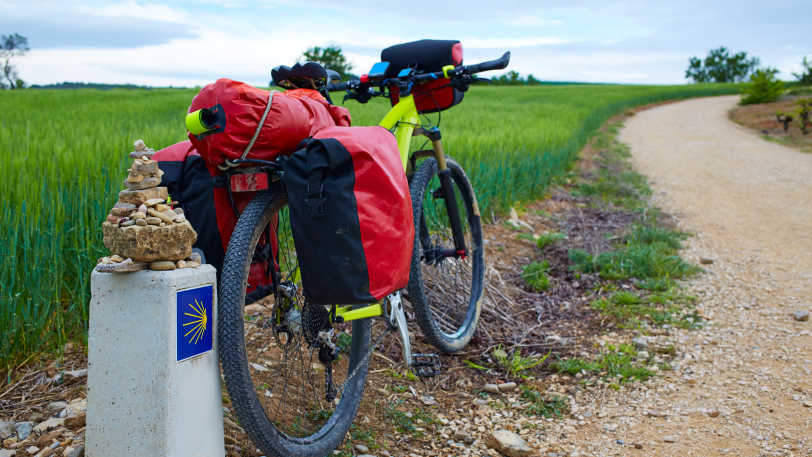
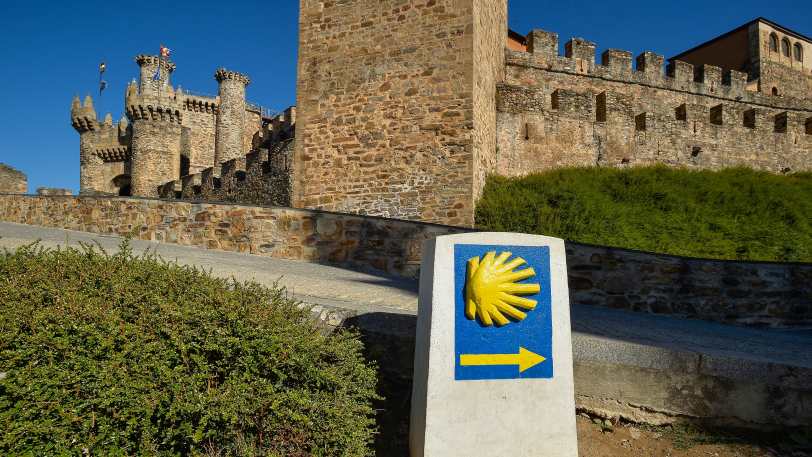

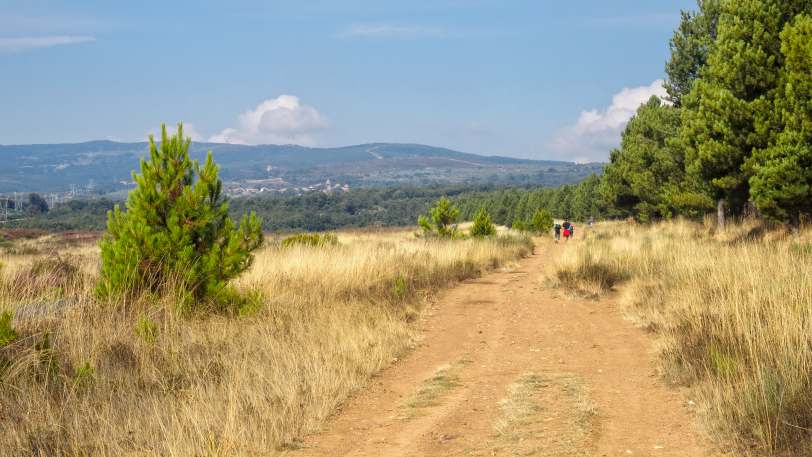
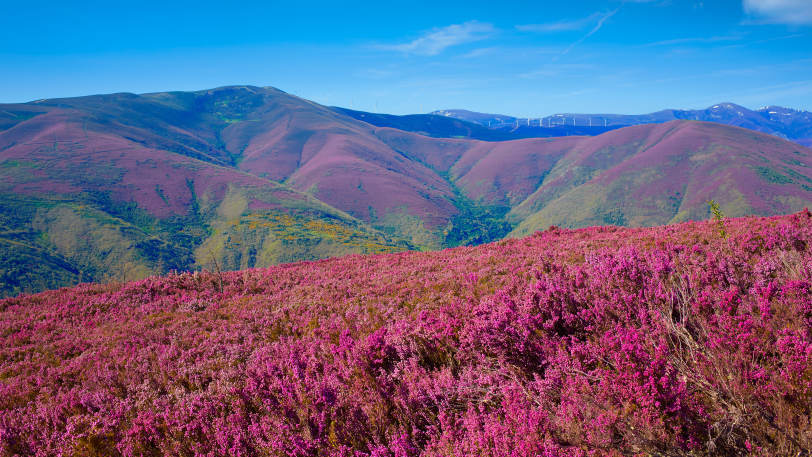
Among the many routes of the Way of Saint James, this one stands out as the most popular for cyclists. It offers a unique way to experience the stunning landscapes of northern Spain, perfect for nature lovers seeking a journey full of contrasts.
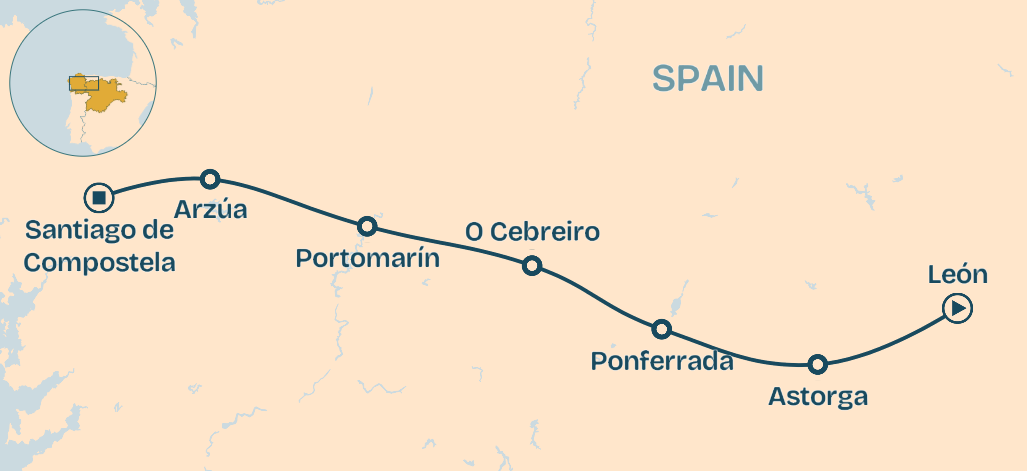
The Leon to Santiago section is where the Camino Frances truly comes alive for cyclists. You experience the physical challenge of the Cruz de Ferro ascent, the cultural richness of O Cebreiro's ancient pilgrimage villages, and the emotional reward of arriving in Santiago.
 Cecile — Senior Product Manager
Our travel specialists can arrange flights, rail and transfers to this holiday from wherever you are. Call us to plan your journey. 01606 720199
Level 5 — Demanding
The cycling is predominantly on quiet tarmac roads and accessible tracks, with six stages of 50 to 65km. This is a demanding ride with extended daily distances and regular hills, requiring good fitness and confidence on a bike.
The historic centre is a delight to wander. Starting from the charming Plaza Mayor, you can lose yourself in the city’s atmospheric old streets, discovering centuries of history at your own pace.
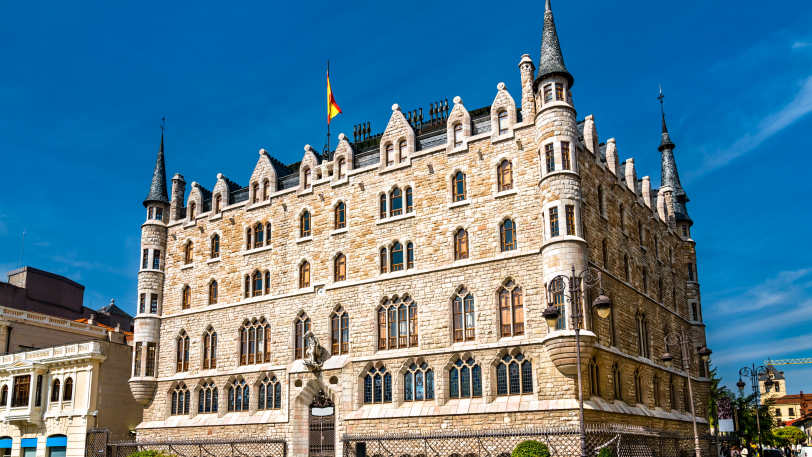
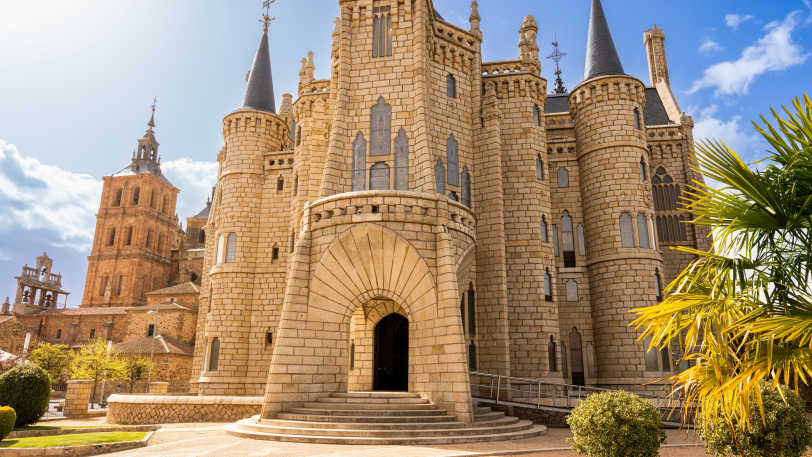
This stage begins in Hospital de orbigo, where you will cross a remarkable 204-metre Romanesque bridge with 20 arches, a true Camino icon. As you ride, the flat Meseta landscape shifts: fields give way to holm oaks, and gentle hills begin to form.{BREAKS} Soon, Astorga appears on the horizon, framed by the Leon Mountains. Don’t miss the Episcopal Palace, a unique and imaginative work by Gaudi that adds a touch of architectural wonder to this historic city.
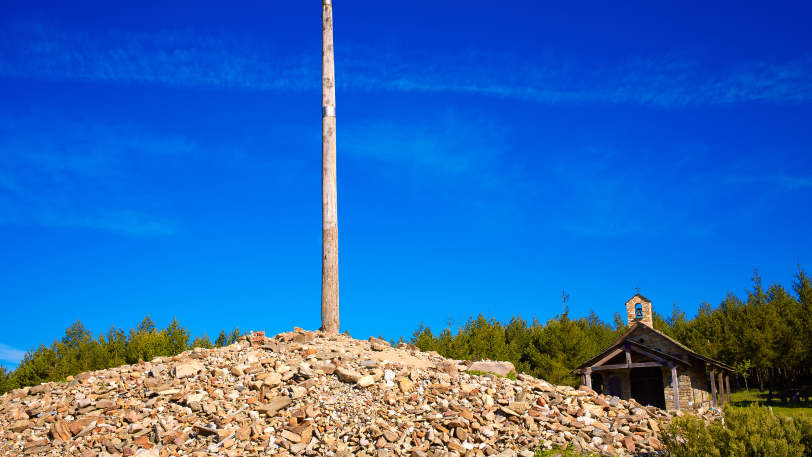
From Astorga, the route leads to Rabanal del Camino, a charming mountain village. Then climb to the Puerto de Irago at 1,517 metres, the highest point on the Camino.
Near the summit stands the Cruz de Ferro, where pilgrims leave a stone as a symbol of letting go. From there, enjoy a long descent through changing landscapes before arriving in Ponferrada, home to a famous Templar castle and your stop for the night.
Ride through Villafranca del Bierzo, a historic town once shared by Franks and Spaniards. Be sure to visit the Church of Saint James, a popular stop for pilgrims.
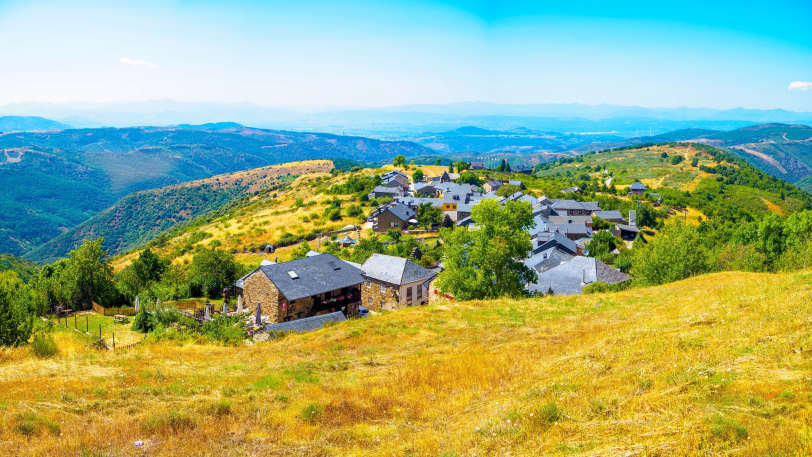
A short ride brings you to the quiet village of Ambasmestas, before the climb into Galicia begins. Your day ends in O Cebreiro, a legendary Camino village at 1,300 metres, known for its stone houses with thatched roofs and deep spiritual heritage.
Enjoy a scenic descent to Samos, home to its impressive Benedictine monastery, before continuing to Sarria, where you will spot your first horreos – traditional Galician granaries.
In Sarria, explore the old town with its mix of medieval religious, civil, and military architecture. The route then takes you through the hamlets of Vilei, Peruscallo, Morgade, and Moimentos, crossing charming corredoiras – stone paths over streams – before arriving in Portomarin, your stop for the night.
As you head west, eucalyptus trees become a familiar presence along the trail. Near Ligonde, look out for the stone cross nestled among oak trees – a quiet symbol of the Camino’s deep history.
Today’s highlights include the bustling towns of Palas de Rei and Melide, famous for its pulpo (octopus), before reaching Arzua, known for its local cheese and pilgrim-friendly atmosphere.
On this last stretch of the Camino Frances, pass through Lavacolla, where medieval pilgrims traditionally stopped to wash before entering Santiago. From Monte do Gozo, catch your first glimpse of the city’s iconic cathedral spires.
Enter Santiago through the Porta do Camino, then walk its historic streets, squares, and old quarters – a UNESCO World Heritage Site – before arriving at the majestic Cathedral of Santiago, the emotional end to your pilgrimage.
Leave Santiago de Compostela and onward travels.
Enjoy the rest of your day exploring the town, and consider booking an extra night before heading home.

Since this is a new trip, no reviews are available yet, but here are reviews from satisfied Headwater bookers. Independent service reviews collected by Feefo.
12.0
Kg CO₂e
per person, per night
Relative to other Headwater trips
We measure emissions from the parts of the holiday we organise — including accommodation, in-trip transport, meals and activities — and express them as CO₂e per person, per night. Our label doesn’t include your travel to and from the start of the trip. As a Certified B Corp, Headwater is committed to reducing this figure and to positively impacting local communities, the local environment and our staff. Learn more
Yes! Cycling the Camino is a popular alternative to walking. Known as the Camino en bicicleta, it allows you to cover more distance in less time while still enjoying the cultural and spiritual experience. We offer cycling itineraries with carefully planned routes, well run yet simple accommodation, comfortable bikes and luggage transfers.
Yes, if you’d like to collect stamps along the way and receive the official Compostela certificate in Santiago. The pilgrim passport, or credencial, is a wonderful keepsake of your journey, it’s stamped at churches, cafés, and hotels as you progress. Even if you’re not walking for religious reasons, it adds a lovely sense of occasion and helps you access pilgrim menus and accommodation.
Comfort and practicality are key for the Camino Francés:
Sturdy, broken-in walking boots or shoes
Breathable layers for warm days and cooler evenings
Waterproof jacket and trousers
Sun protection (hat, sunglasses, sunscreen)
Reusable water bottle and small daypack
Quick-dry clothing for convenience
You’ll stay in hand-picked hotels and welcoming guesthouses, chosen for their comfort and authentic character. Each property offers private bathrooms, hearty breakfasts, and a relaxing atmosphere after a day’s walk. Many feature traditional Spanish architecture and local charm.
Breakfast is included each morning, and you’ll find plenty of local cafés and restaurants along the way for lunch and dinner. Expect traditional pilgrim menus, typically including a starter, main course, dessert, and wine at great value. Regional specialties such as Galician seafood, Castilian stews, and rustic breads make dining a highlight of the journey.