Our walking holidays in Spain span a country that buzzes with life from dusk until dawn. With heritage, culture and food at its heart, it is an amazingly diverse country, and our guided and self-guided walks are the perfect way to really get under the skin of Spanish life.
Whether you're looking for a self-guided adventure on your own or with companions that lets you own the pace and direction of your walking holiday, or want to be shown the best bits of your chosen region by one of our knowledgeable local guides, we can help.
Our walking holidays take you through famous pilgrim routes and around lush volcanic islands, while giving you a view of coastal Spain that's a far cry from your typical sun, sand and sea breaks. Want to learn more? Get in touch with our helpful team today or visit our blog
At Headwater, we offer a wide range of Spanish walking holidays designed for all fitness levels, interests and more.
A guided Spanish walking holiday lets you experience one or more regions up close and personal alongside like-minded travellers.
You'll explore some of Spain's most beautiful walking routes, through sleepy villages and culture-filled towns, all under the expert guidance of one of our local partners. Working for Headwater, they will be from your destination and therefore have intimate knowledge of the landscape, culture and history. Ramble by day and socialise over delicious food and drink by night, all while staying in quality accommodation owned by locals.
VIEW OUR GUIDED WALKING HOLIDAYS IN SPAIN
Choose a self-guided Spanish walking holiday and take complete control of your journey. We'll supply you with detailed route directions, up-to-date GPS maps via our app and luxury local accommodation throughout your stay but leave the exploration - and pace - completely up to you.
Get to know the walking routes of a single region with single-centre self-guided holidays or choose a hotel-to-hotel holiday where we transfer you and your luggage between each new destination. Whichever you choose, it means that you won't have to carry a heavy pack, letting you focus purely on the grand vistas, gorgeous landscapes and local culture all around you.
VIEW OUR SELF-GUIDED WALKING HOLIDAYS IN SPAIN
Northern Spain's walking routes, including the famous Camino de Santiago, have been trodden by pilgrims for well over a millennium. They are some of the world's walkers' favourite Spanish walking holidays, and we offer plenty of guided and self-guided walking holidays through this beautiful area of the country.
Explore the Camino Frances, also known as St James's Way, through historic cities like Burgos, Fromista and Leon, and across bucolic rolling scenery. Our Camino de Santiago walking holiday features one-of-a-kind accommodation and a breathtaking variety of scenery - our highlights tour is also perfect for a shorter holiday. To walk a less-frequented area of Northern Spain, meanwhile, our Catalan Classic Walk has plenty of varied walks - plus swimming opportunities galore!
When it comes to walking, this sun-soaked country has something for everyone. Our luxury Spanish walking holidays cover a wide range of favourite locations and routes, including strolling through the great artistic cities of Sierra de Gredos. Explore gentle routes through the beautifully unspoilt countryside of Catalonia. And who could forget the iconic Camino de Santiago, one of the world's most ancient pilgrimage routes?
Away from the mainland, Menorca and the Canaries offer the perfect climate for walking holidays year-round. Whatever your preference, with guided and self-guided options ranging from four to 12 nights in duration, browse our walking holidays in Spain below to find the trip for which you've been looking.
Read more▼

Visit this mountainous island for an incredible holiday, walking through extensive evidence of volcanic activity including the awe-inspiring National Park and world-famous Calderas.
DEPARTURE MONTHS


Few places can match the natural beauty of the Canary Islands, especially Tenerife, which has become a mecca for enthusiastic walkers. Join us on this week long walking holiday, taking in the highlights of this stunning year-round destination.
DEPARTURE MONTHS


A unique island of natural beauty and biological importance, Lanzarote is a year-round destination with a temperate climate and other-worldly terrain. Enjoy birdwatching, walk up and across volcanic craters, enjoy time on the stunning beaches and visit to the little-known island of La Graciosa.
DEPARTURE MONTHS


The least known of the Canary Islands, El Hierro is a mixture of volcanic scenery, pastures and beautiful Canarian pine woodlands, whose inhabitants are independently minded and fiercely proud of their unspoiled home.
DEPARTURE MONTHS


The volcanic island of Gran Canaria is often referred to as 'a continent in miniature' with its extraordinarily varied landscapes. Ranging from lush green forests and valleys in the north, to the towering mountainous interior, to the desert-like dunes and beautiful white beaches of its southern shores.
DEPARTURE MONTHS

La Gomera is known as the untouched Canary Island, a paradise for those who like dramatic scenery, awe inspiring vistas, beautiful green valleys and ancient tropical rain forests. Popular with walkers of all abilities, this holiday comes with a car included for you to explore more of this incredible island.
DEPARTURE MONTHS

Excellent walking in the Sierra de Arencena, 'green' Andalucia with whitewashed villages, lush green hills covered with flowers and groves of cork, oak and chestnut.
DEPARTURE MONTHS


Walk in the Picos de Europa a mountain wonderland which bursts from the surrounding plains, taking in deep gorges, high jagged peaks, picturesque villages and rolling meadow scenery, the best of Green Spain.
DEPARTURE MONTHS

Walking trip offering you the opportunity to explore two Canarian islands - the variety of Tenerife with its lunar landscapes and La Isla Bonita - La Palma.
DEPARTURE MONTHS

Renowned as the 'Island of Eternal Spring', Tenerife's wild beauty varies from the dramatic landscapes of the UNESCO Teide National Park, capped by the famous volcano itself, to its spectacular coastline with stunning ocean views.
DEPARTURE MONTHS

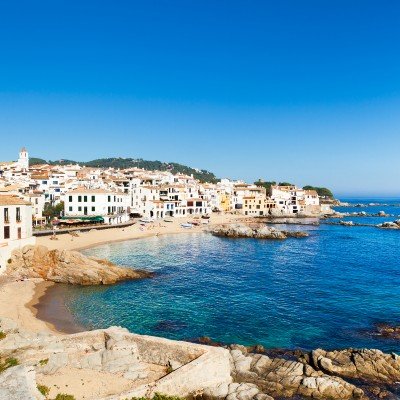
Beautiful circular walk in Catalonia taking in lovely coastal stretches and unspoilt country landscapes. Fabulous bird and plant life; very good hotels and swimming opportunities every day. Two nights are spent in a luxury castle.
DEPARTURE MONTHS
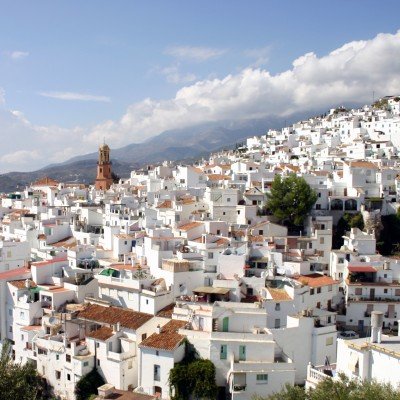
You walk through timeless white washed villages, along flower decked paths - poppies, wild iris, and pink oleander - and there's a good chance of spotting golden eagles soaring overhead.
DEPARTURE MONTHS

This is the 'real' Spain - a region of tiny white villages nestled in the mountains and surrounded by dramatic hills and National Park. As well as stunning walks - gorges, peaks, valleys, views - you'll enjoy wonderful Spanish hospitality. Option to visit Cordoba and Granada too.
DEPARTURE MONTHS
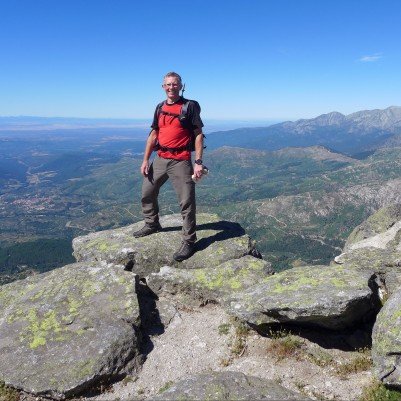
The Sierra de Gredos is little known, yet it offers some of the finest walking in Spain - from gentle strolls through flower-filled meadows to high level hikes amid mountainous peaks, waterfalls and lagoons. Excellent hotel serving superb regional cuisine.
DEPARTURE MONTHS

This walking trip takes advantage of the island well waymarked paths. Starting on the eastern side of La Palma, follow the coast to the north and then finally head south across the great Caldera which dominates the island.
DEPARTURE MONTHS

Arenas de Cabrales, the gateway to the Picos de Europa, will both thrill and challenge you, with a fantastic range of walks, awe inspiring scenery and a plethora of wildlife and birds. Perfectly based at the Hotel Torrecerrodo where a friendly welcome, and delicious home cooked food will greet you at the end of each day.
DEPARTURE MONTHS

Discover the Alpujarras, one of the most wild and undiscovered mountain ranges of Spain, stretching from the highest peaks of the Sierra Nevada to the Mediterranean below. Walk from village to village exploring the landscape on route to your hotel each day.
DEPARTURE MONTHS

Beautiful circular walk in Catalonia taking in lovely coastal stretches and unspoilt country landscapes. Fabulous bird and plant life; very good hotels and swimming opportunities every day. One night is spent in a luxury castle.
DEPARTURE MONTHS

On this 7 night single centre holiday based in Port Soller, discover on foot the best of Mallorca including the Tramuntana mountains and the picturesque coastline.
DEPARTURE MONTHS

This 7-night linear walk takes you to all corners of the smallest of the Canary Islands. The unspoiled island has spectacular escarpments, volcanic ash cones and lava flows, a great coastline and a green - pastoral and forested - central plateau.
DEPARTURE MONTHS

Easy, tranquil walking based in the north western corner of Menorca, but including a hire car so you can easily explore the entire tiny island. It offers a rich cultural history, deserted white beaches and is a UNESCO protected Biosphere Reserve.
DEPARTURE MONTHS

The least known of the Canary Islands, El Hierro is a mixture of volcanic scenery, pastures and beautiful Canarian pine woodlands, whose inhabitants are independently minded and fiercely proud of their unspoiled home.
DEPARTURE MONTHS

Explore the miniature continent of Gran Canaria and La Isla Bonita of La Palma in one trip.
DEPARTURE MONTHS

Mainly coastal walking also taking in sweeping green valleys, pretty wine villages, hidden white hamlets and colourful fishing harbours. Highlights include artists' favourite, Cadaques, and the spectacular bay at Roses, with a 16th century castle and ruined citadel.
DEPARTURE MONTHS

Discover a different side of Mallorca with this 7 night holiday, with walks in the most stunning part of the island, surrounded by orange and olive groves and relaxed stays in traditional Fincas.
DEPARTURE MONTHS

This 12-night holiday follows one of the most ancient pilgrimage routes in the world! Enjoy stunning views and trails with fellow walkers from around the world. And along the way, experience popular cities including Leon and Santiago.
DEPARTURE MONTHS

A classic walk in Europe, this is a famous option as you cover one of the most ancient pilgrimage routes in the world. There's a real sense of camaraderie and achievement as you chat with fellow walkers from all parts of the globe.
DEPARTURE MONTHS
Combine a stay at the beach with your choice of gentle walking and cycling routes for an active family holiday. You stay in the fishing village of Calella de Palafrugell, where the rocky coastline has small coves to explore. A complimentary Headwater bike for your exclusive use is provided to give you total flexibility.
DEPARTURE MONTHS


An incredible 10 night journey over the Pyrenees from France to Spain. Joining the Camino Frances, you will experience stunning scenery, beautiful towns and historic cities, whilst making friends with fellow pilgrims along the way .
DEPARTURE MONTHS

Enjoy a real sense of camaraderie and achievement on this seven-night pilgrim walk from Sarria to Santiago de Compostela.
DEPARTURE MONTHS

The Portuguese Camino de Santiago along the coast is one of the most unique and has been one of the main pilgrim routes to Santiago for centuries. Set out on a journey of discovery, not only of the country but of yourself as you follow in the footsteps of countless pilgrims and walkers.
DEPARTURE MONTHS
Overall customer rating, based on 554 reviews
The choice of where you go walking in Spain is very much down to your own personal preferences, as well as your general fitness and activity level.
Location-wise, all our walking tours will take you through beautiful and awe-inspiring scenery, though you may wish to choose a tour based in a larger town or city if you want to get stuck into more culture, food and drink after your day's walking. Conversely, tours like our 12-night Following St James' Way holiday will feature lots of long stretches through countryside - perfect for a contemplative and nature-filled trip.
Make sure to check out each listing's 'Excellent for' ratings, too - showing you whether a holiday is good for flora and fauna, birdwatching or art and history, for instance.
It's also key to keep in mind the tour's activity level. This stretches from one to four, with one being great for relaxing, low-exertion walking, and four for demanding walks that require a much higher level of fitness.
When heading on your walking holiday in Spain, it's important you bring along essential kit:
As well as the list in the prior section, we advise bringing:
A walking holiday in Spain is a perfect choice if you want to see less-frequented areas of the country - natural, historical and often traditional places that take you away from the mass tourism hotspots.
On a walking holiday, you can take in villages, views and all the other interesting things that you'll come across at your own pace. Whether you're travelling solo or as a group, self-guided or with other travellers, you'll be certain to learn plenty about your destination - including lots that you're unlikely to find in a guidebook.
The best times to walk in Spain can vary greatly depending on where you go. We run our holidays all year round to cater for all our customers.
If you'd like to walk in places like the Canary Islands over the winter, you can. While if you'd prefer to spend your summer in Spain, we also offer trips across popular locations like Catalunya and Andalucia.
All our Spanish walking holidays include transport between your hotels and airports in addition to the transfer of all your luggage between the various places you stay at throughout your trip. Breakfast is included as standard along with any other meals specified in your itinerary.
We have designed our walking holidays to cater for everyone with an interest in walking or even just those keen to see the sights and scenery.
To help you decide which is best for you, our grading system defines the difficulty of each trip based on its length and the changes in elevation encountered. On each holiday page, we have also assigned an activity rating level from one to four, one being easiest.
Travel to and from Spain comes as part of every package and our team will be only too happy to talk you through the various options available - be it by air or rail. We can even organise private transfers from most UK airports for a small additional fee, as well as upgrades if you are looking for a more luxury experience.
Our team will be on call around the clock and our 'boots on the ground' will be made up of our Headwater-employed reps, hotel staff and various partners familiar with the area. If you're ever in need of anything, don't hesitate to ask for their assistance.
We have helped travellers to traverse the most awe-inspiring areas of Spain for decades. With over 35 years' experience, we know what makes an unforgettable walking holiday: amazing routes, excellent accommodation, in-depth local know-how, and flexibility to help you to make your trip your own.
